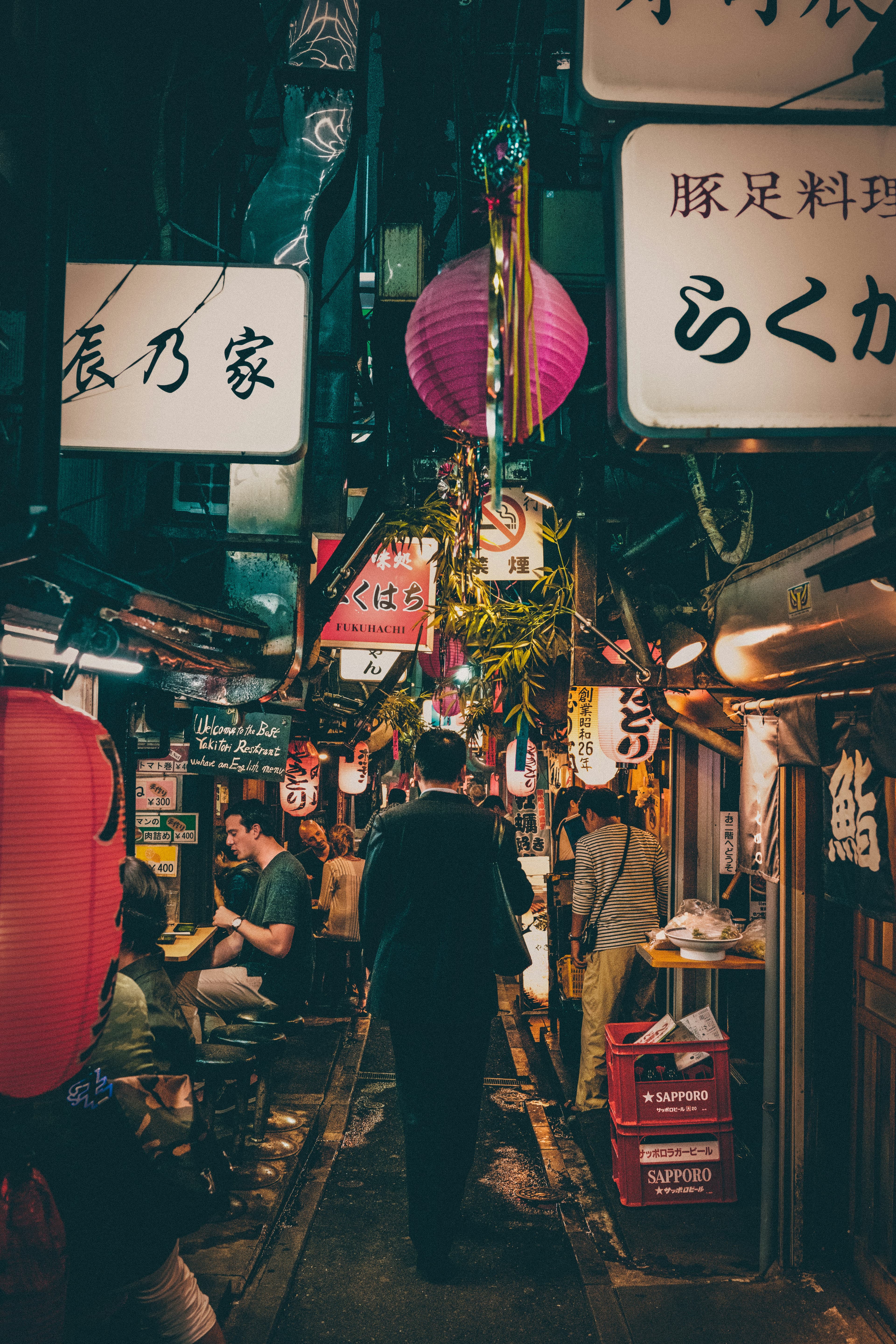
14-day Japan itinerary — Tokyo, Kyoto, and the countryside for first-time visitors
Japan — The Savvy Jetsetter Guide
Japan is the rare destination that delivers on every promise — ancient temples beside neon-lit skyscrapers, kaiseki dinners that are edible art, bullet trains that run to the second, and a culture of hospitality so deep it has its own word: omotenashi. From the electric chaos of Tokyo's Shibuya cros…
At a Glance — Key Planning Facts
- Ideal trip length: 14–18 days (Tokyo + Kyoto + Osaka minimum)
- Best months to visit: March–April (cherry blossom) or November (autumn foliage)
- Estimated budget: $6,500–$10,000 CAD per couple, excl. flights
- Best neighbourhoods: Shinjuku or Shibuya (Tokyo); Gion or Higashiyama (Kyoto)
- JR Pass (21-day ~$900 CAD/person) pays for itself if visiting Tokyo-Kyoto-Hiroshima
- Book Fushimi Inari Shrine before 7am — photographers go at dawn, tourists arrive at 10am
- IC card (Suica or Pasmo) works on all city transit and konbini payments — load ¥5,000 on arrival
- Restaurant reservations in Tokyo: many top spots open at midnight exactly 1 month before your date
Advisor Notes & Local Intel
Hyperlocal insights from our TICO-certified travel professional — the kind of advice you won't find in a guidebook.
Konbini (convenience stores) are Japan's greatest secret restaurant
Walk through Gion at 6am to see what it was before the tourists arrive
Planning FAQ — Japan
When is the best time to visit Japan?
Cherry blossom season (late March to mid-April) is Japan's most magical period — but also the most crowded and expensive. Exact bloom dates shift each year; check the Japan Meteorological Corporation's forecast in January. November's autumn foliage (koyo) is equally beautiful and slightly less crowded. Mid-June through July is rainy season — not ideal. August is hot, humid, and culturally rich (Obon festival). September–October is an underrated window: good weather, fewer crowds, and lower prices.
Do I need to buy a JR Pass for Japan?
The JR Pass (21-day version costs approximately $900 CAD) is worth it if your itinerary includes long-distance shinkansen (bullet train) travel — Tokyo to Kyoto is ¥14,000 (~$130 CAD) each way, so a Tokyo-Kyoto-Hiroshima-Osaka circuit breaks even quickly. If you're staying mainly in Tokyo or doing short regional trips, an IC card (Suica or Pasmo) loaded with cash is more flexible and often cheaper. Buy the JR Pass before leaving Canada — it cannot be purchased in Japan at the discounted tourist price.
Is Japan expensive for Canadian travellers?
Japan is currently exceptional value for CAD holders due to the yen's multi-decade weakness. A high-quality ramen or sushi lunch costs ¥800–1,500 ($7–14 CAD). A night in a good 3-star Tokyo hotel runs ¥12,000–18,000 ($110–165 CAD). Even multi-course Kaiseki dinners at 1-Michelin-star restaurants often cost less than equivalent meals in Toronto. The main costs are the JR Pass (for long-distance transport) and international flights. Budget $6,500–10,000 CAD per couple for 2 weeks all-in, excluding flights.
What is the best way to get around Japan?
The shinkansen (bullet train) network connects all major cities with extraordinary speed and reliability. Tokyo to Kyoto is 2 hours 15 minutes; Kyoto to Hiroshima is 50 minutes. Within cities, the subway systems (especially Tokyo's) are extensive and very efficient. Get an IC card (Suica at Tokyo's airports; Icoca in the Kansai region) for all city transit and convenience store payments. Taxis are expensive and drivers rarely speak English — use Google Maps transit directions, which are highly accurate for Japanese public transport.
About This Guide
What format is the guide?
Interactive web guide with downloadable PDF. Access it on any device, anytime.
Is this a one-time purchase?
Yes — buy once, access forever. No subscription needed.
Can I use it offline?
The PDF version works offline. The interactive web guide requires an internet connection.
How is this different from a free itinerary?
Our guides are hand-curated by a travel advisor with 18+ sections of deep local intelligence — neighborhoods, hidden gems, food routes, photo spots, planner tools, and more. Free itineraries give you a basic day-by-day plan.