Japan Travel Planning & Itineraries
By Bobby Atwal, TICO-registered travel advisor (Fora Travel), Toronto · Updated
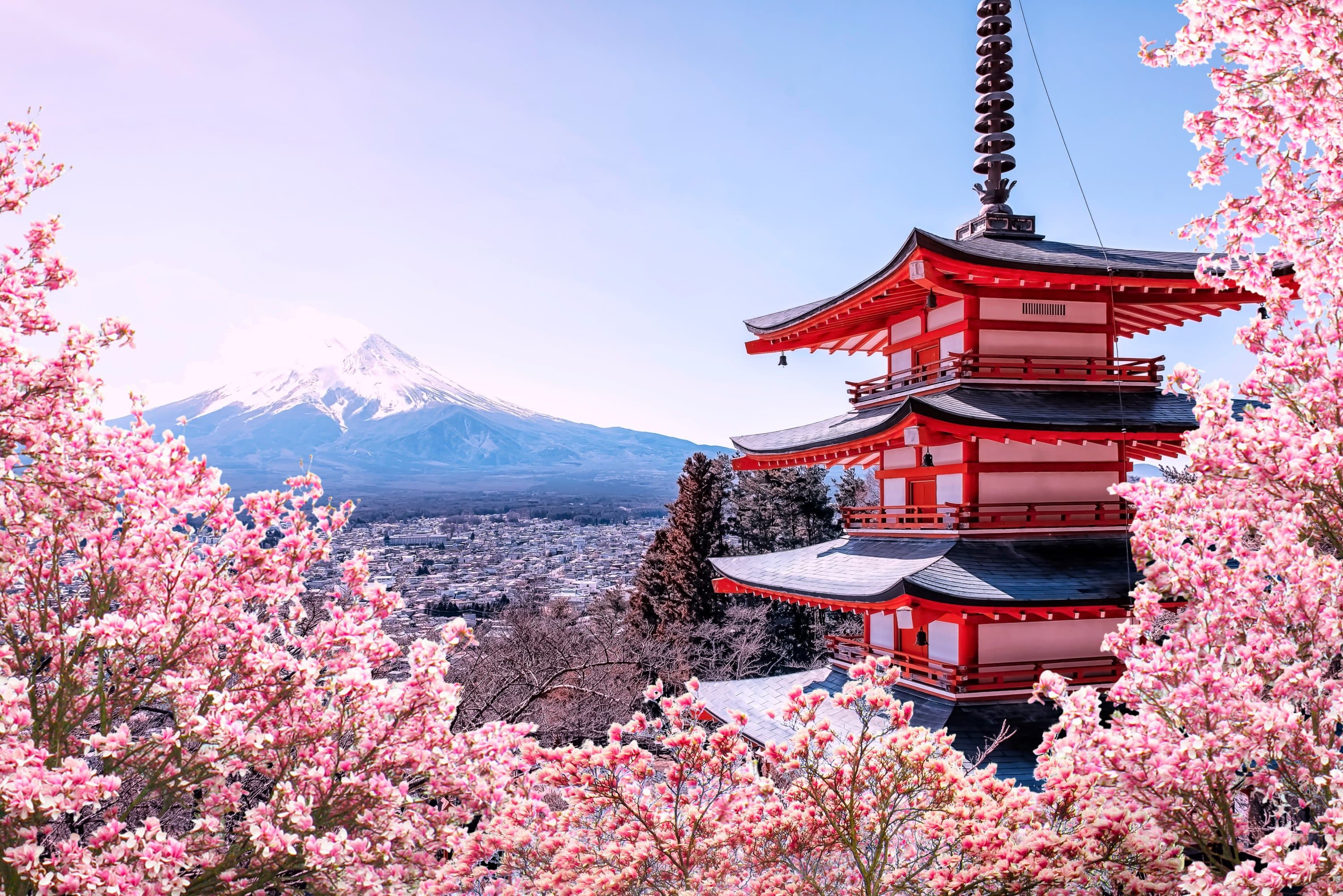
The most rewarding trip on earth for first-time international travelers — and still the most rewarding for the tenth visit. Ancient temples next to neon arcades, bullet trains on perfect schedules, safer than any other country, food that rewires your brain, and a cultural logic that feels alien at first and beautiful within a week. The classic first trip is 10-14 days hitting Tokyo, Kyoto, and one bonus area. After that, the country opens up in every direction.
Free advisor planning includes Fora Reserve hotel perks at no extra cost — or use our AI planner to pace your Japan days, pick the right neighbourhoods, and build a route that makes sense.
Japan at a glance
- Best time to visit
- April (cherry blossoms) and November (autumn foliage) are the most spectacular but the most expensive and crowded.
- How long to stay
- Ten to fourteen days for a first trip. The classic split: 5 days Tokyo, 3-4 days Kyoto, 1-2 days Osaka or Hakone, plus travel days.
- Budget
- $70-120 USD/day (capsule/business hotels, convenience store + ramen, local trains).
- Getting there from Canada
- Fly into Tokyo (HND/NRT), Osaka (KIX), or Fukuoka (FUK) depending on your starting point.
Planning Your Japan Trip
Best Time to Visit
April (cherry blossoms) and November (autumn foliage) are the most spectacular but the most expensive and crowded. May and late September-October are the sweet spots — pleasant weather, smaller crowds, reasonable prices. July-August are hot and humid but festival season. Winter (December-February) is magical for snow monkeys in Nagano, Hokkaido powder, and empty Kyoto. Avoid Golden Week (April 29-May 5) and Obon (mid-August).
Budget Overview
Budget: $70-120 USD/day (capsule/business hotels, convenience store + ramen, local trains). Mid-range: $200-350 USD/day (3-4 star hotels, izakaya dinners, one Shinkansen leg). Luxury: $700+ USD/day (ryokan with kaiseki, Aman properties, private guide). A 14-day JR Pass is roughly $340 USD and usually pays for itself if you do Tokyo-Kyoto-Hiroshima.
Getting There
Fly into Tokyo (HND/NRT), Osaka (KIX), or Fukuoka (FUK) depending on your starting point. A 7- or 14-day JR Pass (roughly $340/$540 USD) is the best deal if you're doing multi-city (Tokyo-Kyoto-Hiroshima) — buy before you arrive.
Getting Around
Shinkansen between cities, metro + local trains within. The Japan Rail Pass gives unlimited rides on most JR trains including Shinkansen (except Nozomi). Within cities, IC cards (Suica, Pasmo, Icoca) work on every train, bus, and vending machine. Taxis are clean but expensive.
Common Japan planning mistakes
Not getting a JR Pass before you fly
The 7-day JR Pass is ~$340 USD if bought before arrival, and 10% more if bought inside Japan. It pays for itself if you do Tokyo-Kyoto-Hiroshima.
Trying to squeeze 8 cities into 10 days
Japan is small but dense. Pick 3 cities max: Tokyo + Kyoto + one third (Osaka, Hakone, Nara, or Hiroshima). Anything more becomes a blur.
Tipping
Tipping is considered rude in Japan. Never leave cash on a table. Exceptional private guides or ryokan staff accept small gifts from your home country instead.
Ignoring convenience stores
The food at 7-Eleven, Lawson, and FamilyMart is a genuine highlight of Japan. Egg sandwiches, onigiri, fried chicken, hot oden — all excellent.
Japan Neighbourhoods
Tokyo
The 33-million-person capital — neon, temples, Michelin stars, the best transit system on earth. 5-7 days minimum for first-timers. Best for: first-timers, repeat visitors, urban intensity.
Kyoto
The cultural capital — 1600 temples, 400 shrines, wooden teahouses, geisha districts, traditional ryokan. 3-4 days. Best for: culture seekers, photographers, slow travelers.
Osaka
Japan's food capital and the easy-going counterweight to Tokyo. Street food (takoyaki, okonomiyaki), bright neon, a friendlier vibe. 2 days. Best for: foodies, nightlife, day trip from Kyoto.
Hakone & Mt Fuji
The traditional onsen (hot spring) area 90 minutes from Tokyo with Mt Fuji views and ryokan stays. 1-2 nights. Best for: first-timers, honeymoons, onsen culture.
Hiroshima & Miyajima
The Peace Memorial, the famous floating torii gate, and a different feeling from the big cities. Day trip or 1 night from Kyoto. Best for: history seekers, photographers.
Japanese Alps (Takayama, Kanazawa, Shirakawa-go)
Traditional wooden villages, mountain ryokan, the best sake. Add on after Kyoto if you have 10+ days. Best for: repeat visitors, slow travelers.
Japan Food & Drink
Sushi Saito (Tokyo)
Widely considered the best sushi in the world. Hotel concierge booking only.
Kikunoi (Kyoto)
Yoshihiro Muratas flagship. Defining modern kaiseki. Lunch from Y15,000.
Ichiran Ramen (everywhere)
Open late. Y1,000 and youll have an opinion forever. Shibuya branch is 24-hour.
Okonomi-mura (Hiroshima)
Four floors of okonomiyaki stalls, all competing. Order Hiroshima-style (with noodles).
Tsukiji Outer Market (Tokyo)
Not the inner market (moved to Toyosu) but the outer market has dozens of counter sushi and street food.
Convenience store onigiri
Not a joke — Japans 7-Eleven is a national treasure. Egg sandwiches, onigiri, fried chicken, oden.
Izakayas under train tracks
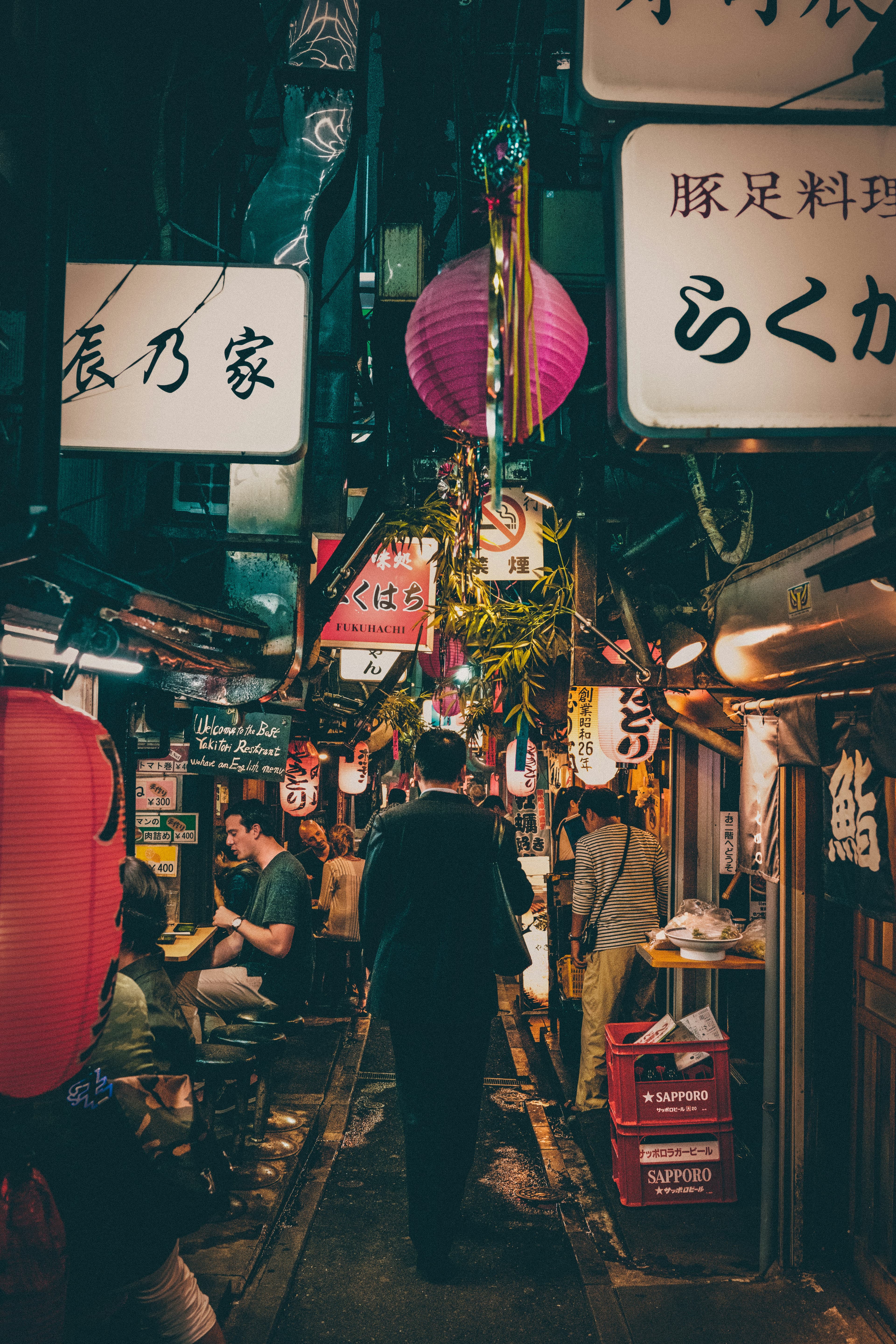
In any major city, the smoky yakitori joints under the JR tracks are where locals eat.
Day Trips from Japan
Hakone (from Tokyo)
90 min from TokyoOnsen town with Mt. Fuji views, Open-Air Museum, Lake Ashi. 90 min by Romancecar.
Nara (from Kyoto/Osaka)
45 min by JRGreat Buddha and 1,200 bowing deer. 45 min by JR from Kyoto or Osaka.
Hiroshima + Miyajima
2-4 hr by ShinkansenPeace Memorial + floating torii. From Kyoto its 2 hours on the Shinkansen, from Tokyo its 4 hours (overnight advisable).
Koyasan
2 hr from OsakaSacred Buddhist mountain with temple-stay (shukubo) lodging, candlelit graveyards at night. 2 hours from Osaka.
Ready to build your Japan days?
Tell us your dates, pace, and interests — we’ll draft a day-by-day Japan itinerary in under a minute.
A Sample Japan Itinerary
Here’s a flavour of what our AI planner builds. Generate your own personalized Japan itinerary in 60 seconds — free.
Arrive Tokyo
- •HND/NRT arrival + IC card
- •Shinjuku + Golden Gai
- •Shibuya Crossing
- •Dinner at Ichiran Ramen
Tokyo classics
- •Sensoji Temple at 7am
- •Meiji Shrine + Harajuku
- •Tsukiji Outer Market lunch
- •Omoide Yokocho yakitori alley
Hakone day
- •Romancecar from Shinjuku
- •Hakone Open-Air Museum
- •Lake Ashi pirate cruise + Mt. Fuji views
- •Onsen + kaiseki dinner in Hakone-Yumoto
Shinkansen to Kyoto
- •Tokaido Shinkansen (Hikari, 2 hr 40 min)
- •Fushimi Inari arrival late afternoon
- •Pontocho Alley dinner
- •Check into ryokan
Kyoto temples + departure
- •Kinkaku-ji + Ryoan-ji
- •Arashiyama bamboo grove
- •Nishiki Market lunch
- •KIX departure or return Shinkansen to Tokyo
Japan Travel Guides
Everything you need to plan Japan like a local — curated hotels, restaurant picks, neighbourhood maps, and hidden gems. Instant PDF download.
Japan Travel FAQ
How many days do I need in Japan?
Ten to fourteen days for a first trip. The classic split: 5 days Tokyo, 3-4 days Kyoto, 1-2 days Osaka or Hakone, plus travel days. Shorter than 10 days and you'll spend half your time on shinkansen. Longer than 14 and you can add Hiroshima, the Japanese Alps, or even Hokkaido.
Should I get a JR Pass?
Do the math first. After the 2023 price hike, the 7-day pass only pays off if you're doing at least Tokyo→Kyoto→Hiroshima→Tokyo. For Tokyo + Kyoto only, individual shinkansen tickets are cheaper. Use the calculator at japan-guide.com/e/e2361.html with your actual itinerary.
When's the best time to visit?
Late March/early April for cherry blossoms (peak tourist season, book 6+ months ahead). Mid-November for autumn foliage. May and late September-October for the sweet spot — great weather, smaller crowds, normal prices. Avoid Golden Week (April 29-May 5) and Obon (mid-August) when locals travel.
Is Japan expensive?
Less than you'd think. Cheaper than most European capitals for food and transit, comparable for hotels. Ramen dinners are $8-12; convenience store meals are genuinely good and cost $5; sit-down restaurants are reasonable; luxury hotels are world-class but world-priced. Budget $200-300/day for a comfortable mid-range trip.
Do I need to speak Japanese?
No, but learn a few phrases. Major tourist areas, hotels, and train stations all have English signs and staff who can handle basic English. Smaller restaurants and shops may not — Google Translate camera mode solves 95% of menu problems. Learn 'arigato gozaimasu' (thank you) and 'sumimasen' (excuse me/sorry) before arrival.
Explore More Destinations
Want Japan planned for you?
Your Savvy Jetsetter advisor personally plans Japan trips with handpicked hotels, Fora Reserve perks, restaurant bookings, and end-to-end support. Hotel bookings are complimentary; the hotel pays the commission.