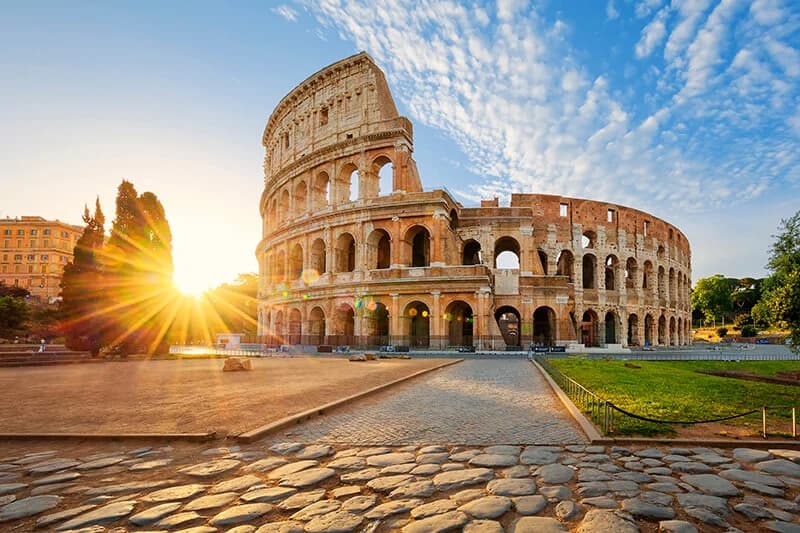
Rome Travel Planning & Itineraries
By Bobby Atwal, TICO-registered travel advisor (Fora Travel), Toronto · Updated
The world's most archaeologically dense city — and the one travelers most often visit wrong. Rome rewards slow walkers, early risers, and travelers willing to skip half the famous attractions in exchange for understanding the few they do visit. The Colosseum, the Vatican, and the Forum are non-negotiable. The real Rome happens in the trattorias of Trastevere at 9pm, in the morning markets of Testaccio, and in the quiet piazzas you stumble onto by accident.
Free advisor planning includes Fora Reserve hotel perks at no extra cost — or use our AI planner to pace your Rome days, pick the right neighbourhoods, and build a route that makes sense.
Rome at a glance
- Best time to visit
- April-May and September-October are ideal — warm but not hot, manageable crowds, restaurants still open.
- How long to stay
- Four full days for a first visit. Day 1: Colosseum, Forum, Palatine. Day 2: Vatican (Sistine Chapel, St.
- Budget
- $80-120 USD/day (guesthouse near Termini, pizza al taglio at EUR3-5, pasta at trattoria EUR10-14, metro/walking).
- Getting there from Canada
- Fly into Fiumicino (FCO) for international, Ciampino (CIA) for low-cost European. From YYZ, FCO is 9 hours direct on Air Canada in summer.
Planning Your Rome Trip
Best Time to Visit
April-May and September-October are ideal — warm but not hot, manageable crowds, restaurants still open. March and November are quieter and cheaper but cooler and rainier. June-August is increasingly miserable: 35°C+ heat, peak crowds, and many local restaurants close as Romans flee for the coast. Avoid August specifically unless you have no choice.
Budget Overview
Budget: $80-120 USD/day (guesthouse near Termini, pizza al taglio at EUR3-5, pasta at trattoria EUR10-14, metro/walking). Mid-range: $200-340 USD/day (4-star near Piazza Navona, trattoria dinners, Vatican + Colosseum skip-the-line). Luxury: $700+ USD/day (Hotel de Russie, Hassler, Eden, private Vatican tour, Michelin dinners). The coperto (cover charge) of EUR2-4 per person is standard and not a scam.
Getting There
Fly into Fiumicino (FCO) for international, Ciampino (CIA) for low-cost European. From YYZ, FCO is 9 hours direct on Air Canada in summer. The Leonardo Express train runs FCO to Termini Station in 32 minutes (EUR14). From Ciampino, a shuttle bus to Termini is EUR6. Avoid unofficial taxis at FCO — use the official EUR50 flat rate to the historic centre.
Getting Around
Rome is a walking city — the historic centre is small and most sights are within 20 minutes of each other on foot. The metro has only 3 lines but is useful for longer distances (Vatican, Colosseum, Spanish Steps). Buses cover the gaps but are slow in traffic. Avoid driving — ZTL zones will fine you EUR100+ automatically. A 72-hour Roma Pass (EUR52) includes transit and skip-the-line access.
Common Rome planning mistakes
Only booking 2 days for Rome
Rome needs 4 days minimum: Vatican (half day), Colosseum + Forum (half day), Trastevere, Villa Borghese, neighbourhood wanders.
Eating near the main sights
Anything within 3 blocks of the Trevi Fountain, Spanish Steps, or Pantheon is overpriced garbage. Walk to Trastevere or Testaccio.
Skipping the Vatican at 7am
Early-entry Vatican tickets let you walk through the Sistine Chapel before the crowds. Worth every penny vs. the 11am chaos.
Taking unofficial taxis
The EUR50 flat rate from FCO only applies to white taxis with the Roma Capitale shield. Unofficial drivers charge EUR80-120.
Rome Neighbourhoods
Trastevere
The most charming neighborhood in Rome and the best base for first-time visitors who want atmosphere. Cobblestone streets, ivy-covered walls, the best concentration of trattorias in the city. — best for: first-timers, foodies, romantic trips
Monti
Boutique-cool neighborhood between the Colosseum and Termini. Quieter than tourist-central but walkable to all the famous sights. Strong restaurant and aperitivo scene. — best for: design-conscious travelers, mid-range trips
Centro Storico (around Piazza Navona)
Walking distance to the Pantheon, Piazza Navona, and Campo de' Fiori. Beautiful but expensive and crowded. Not ideal as a base for budget travelers. — best for: luxury travelers who want walking access to the famous sights
Testaccio
The traditional Roman food neighborhood. Real local life, the famous Testaccio market, and some of the best authentic Roman restaurants in the city. Less tourist-friendly but rewarding. — best for: foodies, repeat Rome visitors
Prati
Quiet residential area near the Vatican. Wide streets, less character but genuinely calm at night. Best for travelers visiting the Vatican multiple times. — best for: families, Vatican-focused trips
Termini area
Near the main train station. Convenient for arrivals/departures and day trips, but lacks atmosphere and feels rough at night. Stay only if convenience matters more than charm. — best for: short stays, transit-heavy itineraries
Rome Food & Drink
Roscioli
Near Campo de Fiori. Carbonara, cacio e pepe, and the worlds best mozzarella. Book 2 weeks ahead.
Pizzarium Bonci
Gabriele Boncis legendary slice shop near the Vatican. EUR3-5 per slice, 20+ rotating toppings.
Trattoria Da Enzo al 29
Trastevere institution. Tonnarelli cacio e pepe and saltimbocca. No reservations, queue early.
Armando al Pantheon
Family-run since 1961. Literally behind the Pantheon. Book 1 month ahead — one of the few Pantheon-area spots that isnt a tourist trap.
Giolitti
Near Pantheon. The real thing — no neon pistachio. Order at the cashier first, then hand ticket to the server.
Salumeria Roscioli
Same family as the restaurant next door. Best prosciutto tasting flight in Rome.
Jerry Thomas Speakeasy
Password required (find on their website). Hidden near Piazza Navona. 1920s vibe, serious drinks.
Day Trips from Rome
Tivoli (Villa dEste + Hadrians Villa)
45 min by trainUNESCO fountains and Roman emperor ruins. The Villa dEste gardens are the blueprint for every European water garden since.
Florence
90 min by train90 min on the Frecciarossa high-speed train. Doable as day trip but better as 2-night extension. Duomo, Uffizi, David.
Naples + Pompeii
70 min by trainPompeii ruins and the best pizza on earth. 70 min to Naples, 30 min more to Pompeii. A full-day mission.
Ostia Antica
30 min by trainThe ancient Roman port city, better preserved than Pompeii in some ways. 30 min by local train, barely touristed.
Ready to build your Rome days?
Tell us your dates, pace, and interests — we’ll draft a day-by-day Rome itinerary in under a minute.
A Sample Rome Itinerary
Here’s a flavour of what our AI planner builds. Generate your own personalized Rome itinerary in 60 seconds — free.
Arrive + Historic Centre
- •FCO → Termini via Leonardo Express
- •Pantheon + Piazza Navona + Trevi Fountain
- •Aperitivo near Campo de Fiori
- •Trattoria dinner — Armando al Pantheon
Vatican + St. Peters
- •Early-entry Vatican Museums at 7am
- •Sistine Chapel + St. Peters Basilica
- •Climb the Dome for the view
- •Lunch at Pizzarium Bonci, then Castel SantAngelo
Ancient Rome
- •Colosseum underground tour + Arena Floor
- •Roman Forum + Palatine Hill
- •Afternoon rest in a Trastevere enoteca
- •Dinner at Da Enzo al 29
Villa Borghese + Spanish Steps
- •Galleria Borghese (book ahead, 2-hour slot)
- •Pincio Terrace viewpoint
- •Spanish Steps + Via Condotti shopping
- •Jerry Thomas Speakeasy for late drinks
Tivoli Day Trip + Departure
- •Regional train to Tivoli (45 min)
- •Villa dEste fountains + Hadrians Villa
- •Back to Rome for farewell gelato at Giolitti
- •FCO departure
Rome Travel Guides
Everything you need to plan Rome like a local — curated hotels, restaurant picks, neighbourhood maps, and hidden gems. Instant PDF download.
Rome Travel FAQ
How many days do I need in Rome?
Four full days for a first visit. Day 1: Colosseum, Forum, Palatine. Day 2: Vatican (Sistine Chapel, St. Peter's). Day 3: walking the historic center (Pantheon, Trevi, Spanish Steps, Piazza Navona). Day 4: a quieter neighborhood like Trastevere or Testaccio plus any museums you missed. Three days is the bare minimum and you'll feel rushed.
Do I need to pre-book the Colosseum and Vatican?
Yes, absolutely. Both sell out daily in peak season and the walk-up lines can be 2+ hours. Buy Colosseum tickets directly from the official site (Coopculture) and Vatican tickets from the Vatican Museums website. For the Vatican, the early-morning entry tour is worth the splurge — you'll see the Sistine Chapel without the midday crush.
What food should I prioritize?
Cacio e pepe, carbonara, and amatriciana are the three classic Roman pastas — try all three from different restaurants. Pizza al taglio (by the slice) for lunch. Supplì (fried rice balls) as a snack. Skip restaurants with photos on the menu, English-only menus, or hosts trying to pull you in from the street — those are tourist traps. The good places have one tiny menu in Italian.
Is Rome walkable?
Yes, but it's much bigger than it looks on a map. The historic center is walkable but tiring (cobblestones + heat + hills). The metro is limited but useful for crossing between districts. Taxis and rideshare are reasonably priced. A walking distance of 'just 30 minutes' can become 50 minutes once you factor in narrow streets and cobblestones.
Is Rome safe?
Generally yes, but pickpocketing is a serious issue around tourist areas (Termini, the metro to the Vatican, near the Trevi Fountain). Wear a cross-body bag in front, never put your phone in a back pocket, and watch for distraction tactics. Violent crime is rare; petty theft is common.
Explore More Destinations
Want Rome planned for you?
Your Savvy Jetsetter advisor personally plans Rome trips with handpicked hotels, Fora Reserve perks, restaurant bookings, and end-to-end support. Hotel bookings are complimentary; the hotel pays the commission.