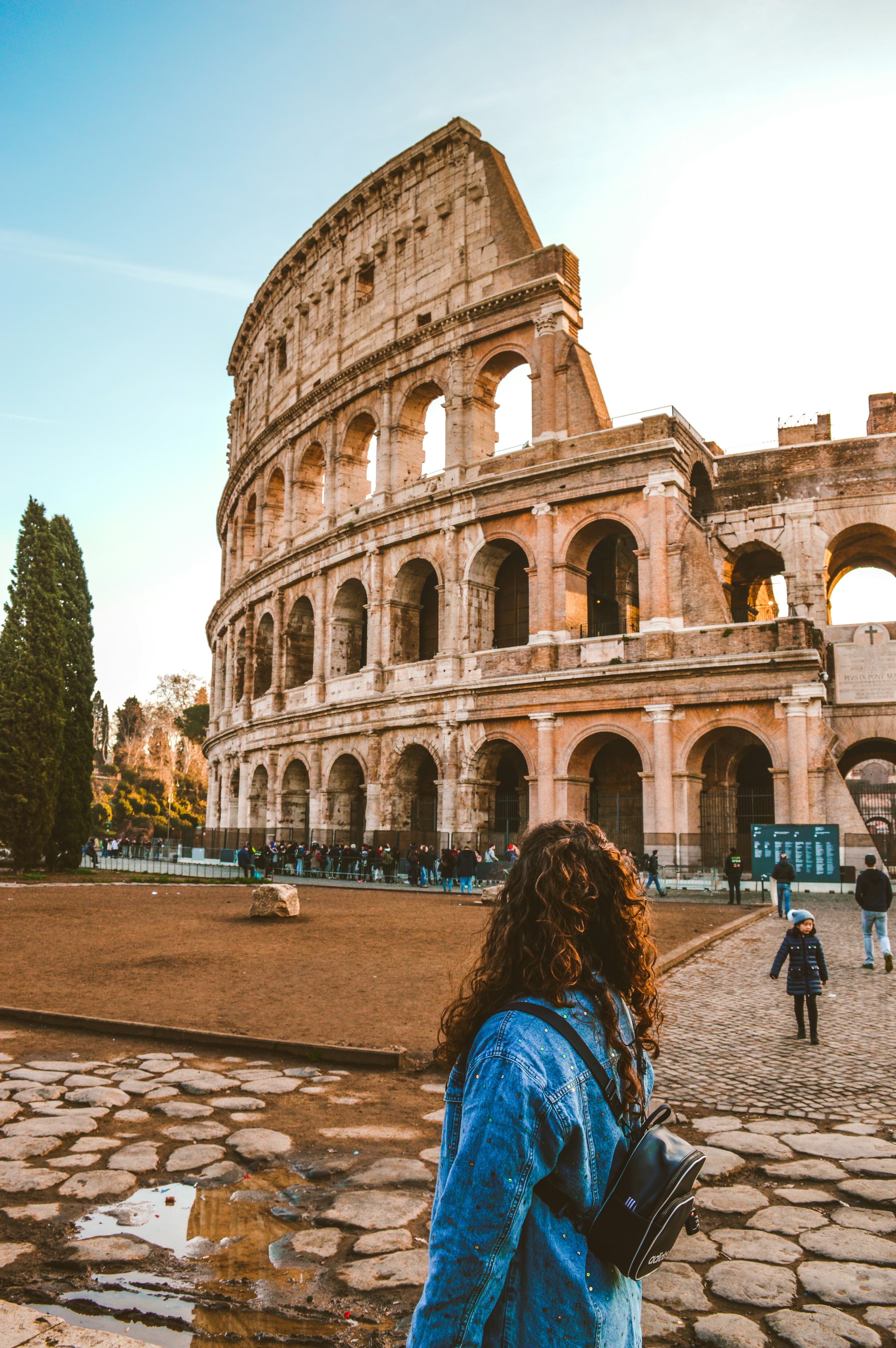
5-day Rome itinerary for first-time visitors — Vatican, food, and hidden piazzas
Rome, Italy — The Savvy Jetsetter Guide
Rome is not just Italy's capital — it is one of the most layered, rewarding, and endlessly surprising cities on earth. It offers something almost no other destination can: a living, breathing metropolis built on top of 2,800 years of continuous history. You don't visit ruins here — you eat dinner ne…
At a Glance — Key Planning Facts
- Ideal trip length: 5–7 days
- Best months to visit: April–May and September–October
- Estimated budget: $4,500–$6,500 CAD per couple, excl. flights
- Best neighbourhoods: Centro Storico or Trastevere
- Pre-book Vatican Museums online — day-of queues can be 2–3 hours
- Borghese Gallery has a strict 360-person cap — reservation mandatory
- Rome's 2,500 nasoni fountains offer free clean drinking water
- Restaurants open for dinner at 7:30pm but locals arrive at 8:30–9pm
Advisor Notes & Local Intel
Hyperlocal insights from our TICO-certified travel professional — the kind of advice you won't find in a guidebook.
The Borghese Gallery is Rome's greatest overlooked secret
Order cacio e pepe, not the tourist carbonara
Planning FAQ — Rome
Is 5 days enough to see Rome?
Five days covers Rome's essential experiences very comfortably: Vatican and St. Peter's (full day), Colosseum and Roman Forum (half day), Trastevere and Campo de' Fiori (evening), Pantheon and Piazza Navona, and the Borghese Gallery. It also leaves a day for a Pompeii or Ostia Antica excursion. Seven days is better if you want to explore the Testaccio food market, Prati neighbourhood, and make Rome feel relaxed rather than efficient.
When is the best time to visit Rome?
April–May and September–October are ideal: temperatures are comfortable (18–25°C), major sites have reasonable queues, and prices sit 15–25% below summer peak. July and August bring brutal heat (35–40°C), maximum crowds, and some local restaurants closing for August. January–February is the lowest-price, lowest-crowd period — cold but Canadians find it mild, and the Vatican feels almost empty on a Tuesday morning.
Where should I stay in Rome for a first visit?
The Centro Storico (between the Pantheon, Piazza Navona, and Campo de' Fiori) is the ideal base — you walk to every major sight in 15–20 minutes. Trastevere is the most atmospheric neighbourhood for dining and evening walks but requires a short bus or taxi to reach the main sights. Prati, just west of the Vatican, is well-priced and quiet. Avoid the Termini station area unless budget is the only consideration.
How much does a trip to Rome cost from Canada?
A comfortable week in Rome as a couple runs $4,500–$6,500 CAD excluding flights. That covers a 4-star boutique hotel ($180–300/night), meals at a mix of trattorias and the Testaccio market ($70–100/day for two), and entrance tickets for Vatican, Colosseum, and Borghese Gallery. Rome is generally 10–20% less expensive than Paris for equivalent quality. Pre-booking the Vatican Museums (€20/person) online saves both money and significant queue time.
What Roman food should I try that isn't just pasta carbonara?
Carbonara is excellent but so are cacio e pepe (spaghetti with pecorino and pepper — the real test of a Roman kitchen), supplì (fried risotto balls with a mozzarella core), coda alla vaccinara (oxtail braised in tomato and celery), and offal dishes at the Testaccio market where Roman cucina povera was born. Artichokes are Rome's obsession — try carciofo alla giudia (Jewish-style, deep fried until crispy) in the old Jewish quarter or alla romana (braised with mint and garlic) everywhere else.
About This Guide
What format is the guide?
Interactive web guide with downloadable PDF. Access it on any device, anytime.
Is this a one-time purchase?
Yes — buy once, access forever. No subscription needed.
Can I use it offline?
The PDF version works offline. The interactive web guide requires an internet connection.
How is this different from a free itinerary?
Our guides are hand-curated by a travel advisor with 18+ sections of deep local intelligence — neighborhoods, hidden gems, food routes, photo spots, planner tools, and more. Free itineraries give you a basic day-by-day plan.