I'll be honest. I nearly didn't bother.
For fifteen years I'd planned my own trips the same way: a few browser tabs, a dog-eared guidebook, a Tripadvisor rabbit hole at midnight. It worked fine. I'd never lost a passport, missed a flight, or ended up somewhere genuinely terrible. So why hand that process over to a chatbot?
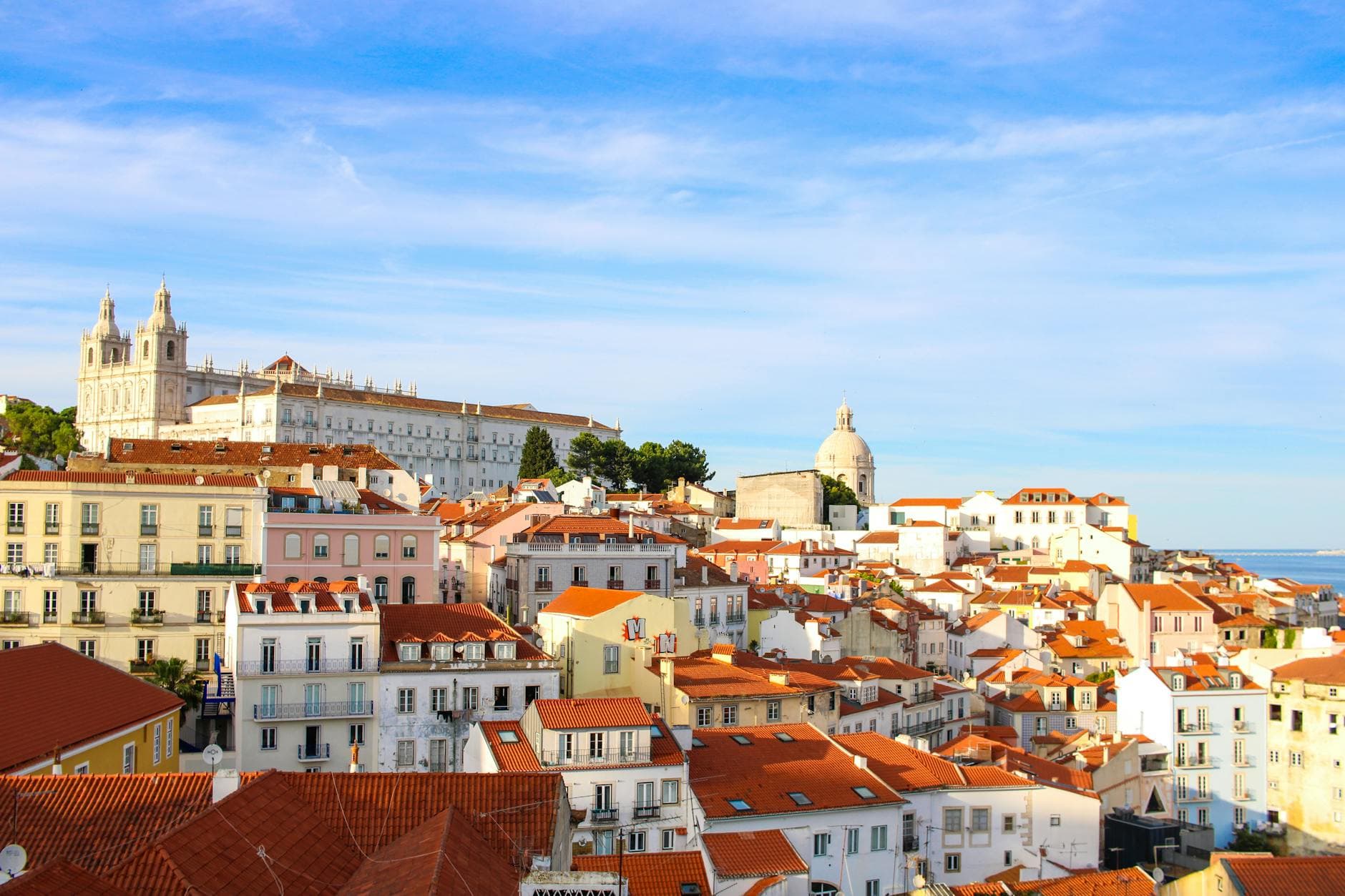
Here's why I caved. A friend had used an AI travel planning tool for a two-week Japan trip and wouldn't stop talking about it. I was going to Portugal for twelve days (Lisbon, Porto, a night in the Douro Valley) and figured I'd try it once, mock it privately if it spat out generic nonsense, and go back to my tabs.
That was the most organised trip I have ever taken. And I've been telling people about it ever since.
What I actually did (step by step)
I used the Savvy Jetsetter AI planner (generate your own Portugal itinerary at savvyjetsetter.ca/plan), and the first thing that struck me was what it asked before it gave me anything.
It didn't just spit out a list of top attractions. It asked about my travel dates, pace preference (I said "medium, not rushing, not dawdling"), budget range, dietary preferences, whether I wanted to drive or rely on trains, and what I'd already done in Europe. Then it asked what I actually wanted out of the trip. That last question sounds obvious, but I'd never framed it explicitly before. I typed something like: I want to understand how people actually live here, eat well without blowing my budget, and spend at least a day doing nothing scheduled.
What came back wasn't a list. It was a structured twelve-day plan with a daily framework, transport logic built in, neighbourhoods organised by proximity, and specific restaurant suggestions with context. Not just names, but why.

What worked surprisingly well
The Porto restaurant call
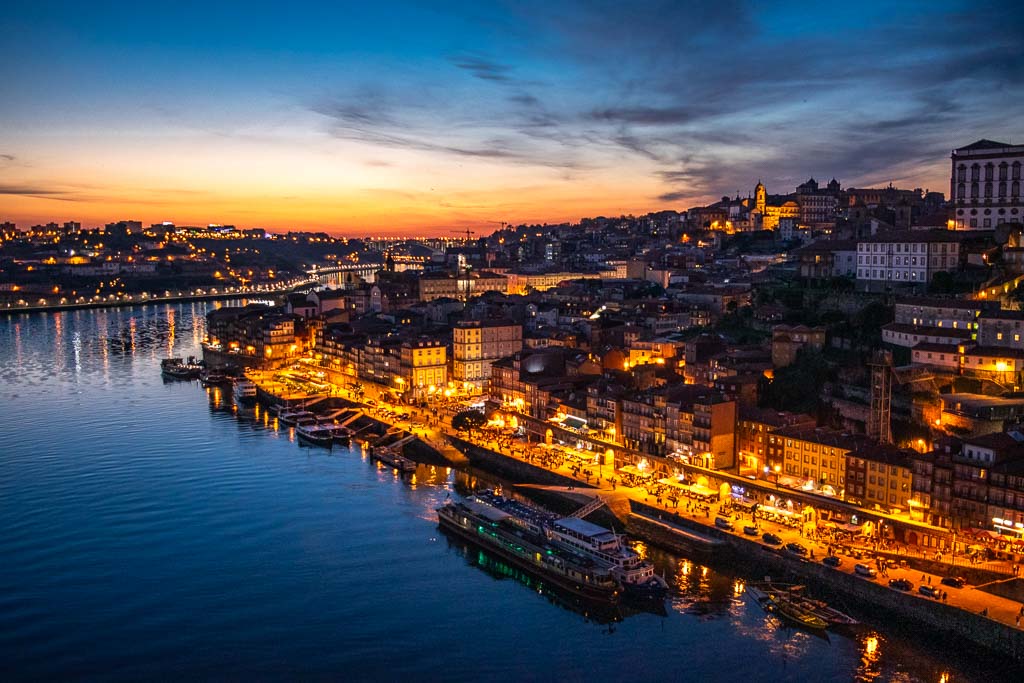
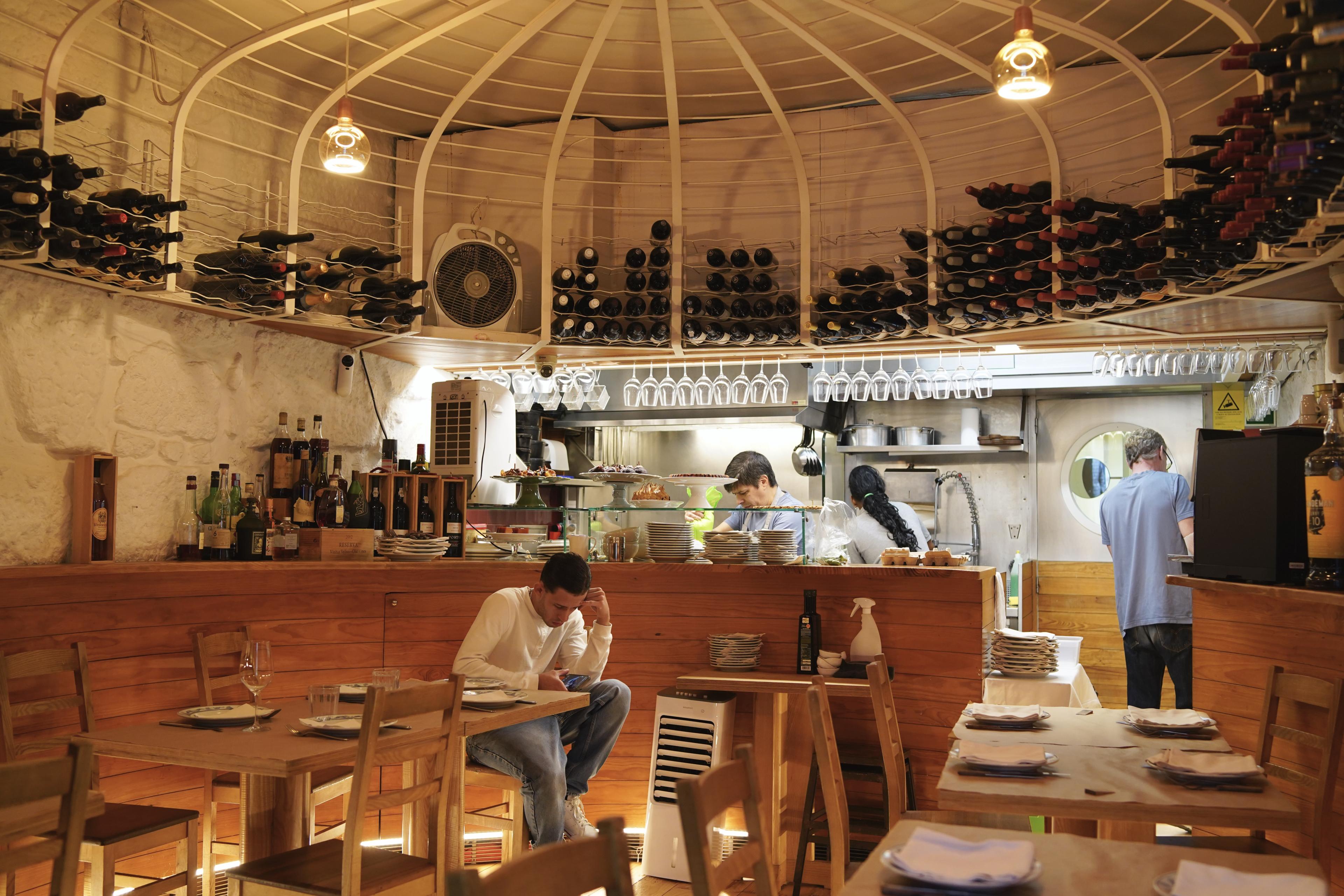
The AI suggested dinner at Taberna dos Mercadores in Porto's Ribeira neighbourhood on my second evening there. It's a small, old-school spot that doesn't show up on the first page of search results. The planner explained that the kitchen closes relatively early, that the space is tiny and reservations are essential on weeknights, and that the bacalhau à brás there is genuinely the point of the place. It was right on all counts. The meal was exceptional. The table next to me was a Portuguese couple who'd driven two hours for it.
I would never have found that restaurant on my own. I'd have defaulted to somewhere with 4.4 stars on Google and a photo of a tourist-facing tasting menu.
The accommodation logic
I'd been waffling between staying in Bairro Alto and Príncipe Real in Lisbon. The AI recommended Príncipe Real without hesitation. Quieter streets, walkable to Alfama for mornings, better for the kind of independent neighbourhood feel I'd described wanting. It also flagged two guesthouses in that area at different price points that matched what I'd said about budget.
I stayed at one of them. It was exactly right.
Route logic that actually made sense
I'd planned to do Sintra as a day trip from Lisbon at the beginning of my trip, then travel north to Porto. The AI quietly rerouted this: go to Porto first, work south, and do Sintra on the second-to-last day when crowds thin out midweek. It explained that Sintra on a weekend in shoulder season can mean ninety-minute queues for the Palácio da Pena, information I'd seen mentioned somewhere but hadn't built into my planning. Doing it on a Wednesday morning was a completely different experience.

What surprised me most: the catches it found
Here's the part I hadn't expected. The AI itinerary planner caught several things I would have missed entirely.
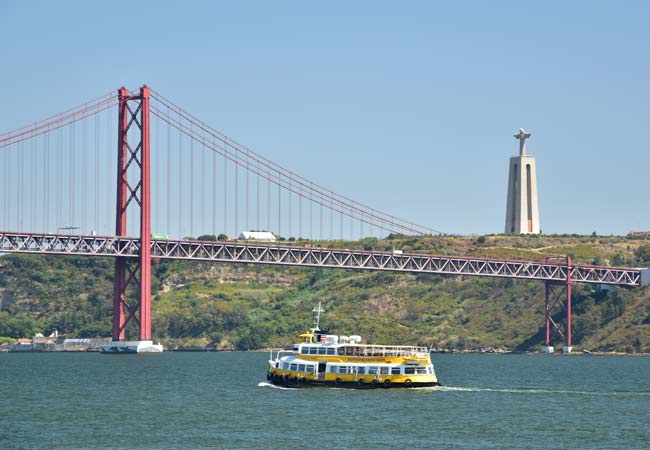
Ferry timing to Cacilhas. I'd vaguely planned to take the ferry across the Tagus to the Cristo Rei statue and grab lunch in Cacilhas. The AI flagged that the last return ferry in the early evening runs earlier than most visitors expect, and that if I was also planning to visit the Museu do Azulejo that afternoon, the timing was tight. It was right. I adjusted, went to Cacilhas in the morning, and had a leisurely lunch at a tasca on the waterfront without watching the clock.
Museum closures. Most national museums in Portugal close on Mondays. It's one of those facts that's easy to know in the abstract and forget in the planning. The AI had built around it automatically: no museum visits scheduled for my Monday in Lisbon. I would absolutely have shown up at the Museu Nacional do Azulejo on a Monday morning without that built-in catch.
Shoulder season pricing in the Douro Valley. I'd budgeted for accommodation in the Douro based on summer pricing I'd seen on a travel blog. The AI told me rates in early October are roughly 20–30% lower than peak, and gave me an updated accommodation range that was meaningfully more accurate. Saved me misjudging the budget.
Common mistakes people make using AI travel planning tools
I've talked to enough people now who've tried this and had mixed results to see patterns in where it goes wrong.
Prompting too vaguely. "Plan me a trip to Portugal" will get you a trip to Portugal the same way asking for "a good restaurant" gets you a Yelp list. The more specific you are (travel dates, who you're travelling with, what you've already seen, what you hate about package tours) the better the output. Treat it like briefing a travel agent who genuinely wants to get it right.
Not fact-checking restaurant hours. The AI's knowledge has a cutoff date. Restaurants close, move, change their hours. The itinerary gave me good leads; I still confirmed reservations and checked hours independently. A five-minute check saved me twice. One restaurant had closed; another had changed its dinner service to Thursday–Sunday only. The AI is a planning layer, not a live booking system.
Using AI recommendations and then ignoring them. This sounds obvious, but I've heard from people who got a beautifully reasoned itinerary and then rearranged it based on vibes: shuffling museum days, adding stops mid-route, ignoring the transport logic. Then they were frustrated when things ran long or didn't connect. The route logic exists for a reason. If you want to deviate, update the prompt and let it recalculate instead of improvising around a plan built for different sequencing.
Expecting perfection on the first output. The real value comes from iteration. I went back three times. Once to ask it to add more breathing room on days four and five, once to ask for a wine-focused alternative in the Douro, and once to adjust after I'd confirmed a restaurant was closed. Each iteration improved the plan. It's a conversation, not a vending machine.
Not planning your pace honestly. I said "medium pace" and meant it. If you type "relaxed" and you actually visit eight things a day, you'll be exhausted and blame the tool. The AI plans based on what you tell it about yourself. Be accurate.
Would I use it again?
Without hesitation. I've since used the Savvy Jetsetter AI planner for a week in the Azores and a long weekend in Edinburgh, and the same pattern holds. It finds things I wouldn't find, catches timing conflicts I'd have discovered too late, and saves the planning phase from being either exhausting or generic.
It doesn't replace knowing a destination. It doesn't replace a local recommendation from someone who lives there, or the instinct to turn left instead of right on a given street. But as an AI travel planning tool that turns a blank itinerary into a thoughtful starting point and then keeps improving it, it's changed how I plan trips.
If you're heading to Portugal and want to start with something more useful than an open browser tab, build your free Portugal itinerary at savvyjetsetter.ca/plan. It takes about ten minutes to generate something genuinely workable. Our full Portugal guide at savvyjetsetter.ca/guides covers deeper destination detail: specific neighbourhoods, transport options, and how to spend different trip lengths.
And if you'd rather have someone do the heavy lifting entirely (custom routing, hotel introductions, access to rates that aren't public) savvyjetsetter.ca/inquiry is where to start. That's the VIP track, and it's worth it for longer trips or anything complicated.
Portugal is a ten out of ten destination. It doesn't need much help being excellent. But having a plan that actually fits the place, and the way you travel, makes the difference between a good trip and one you're still talking about two years later.