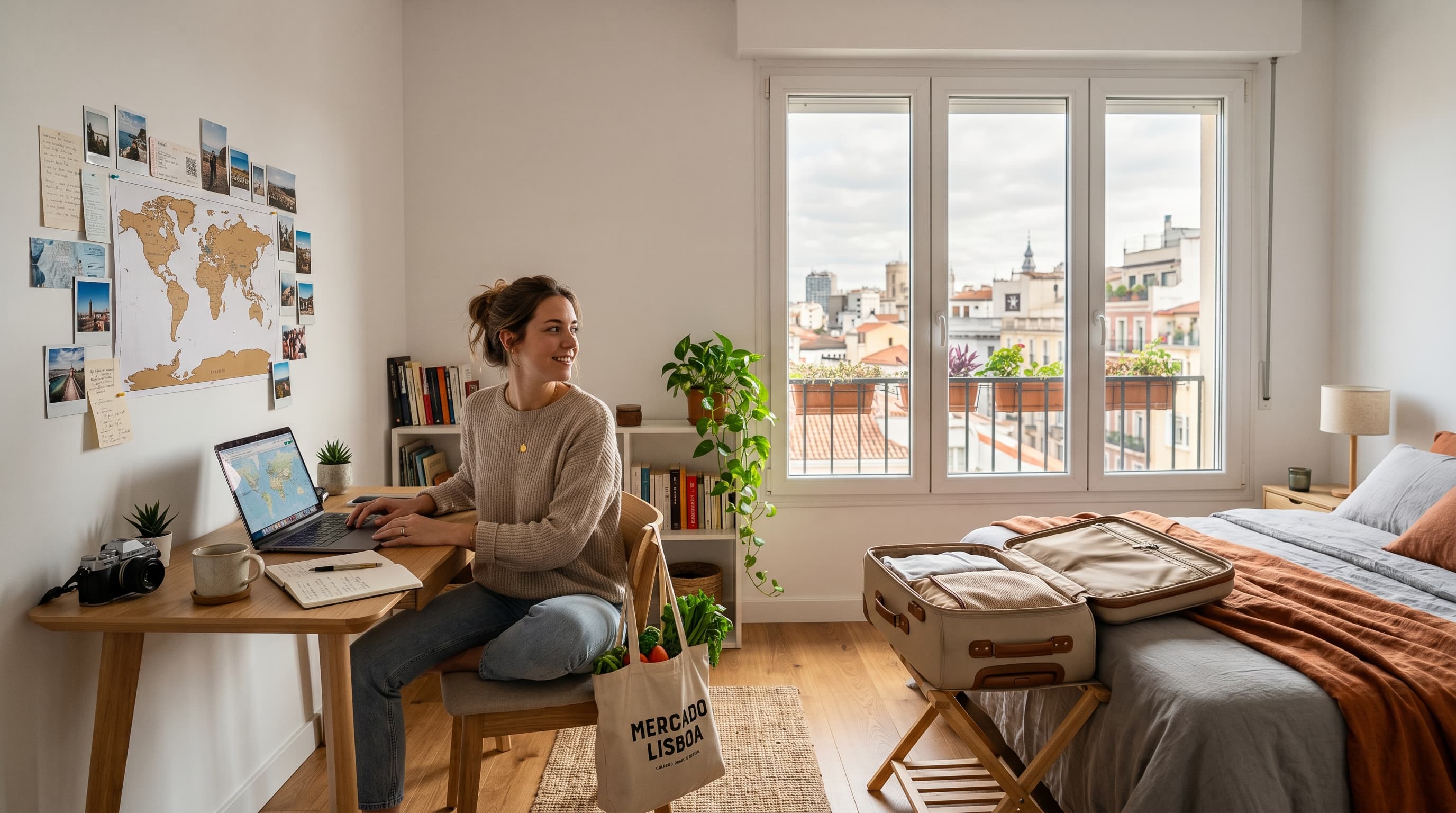
Three years ago I spent two weeks in Lisbon. I checked off the major sights, ate pastéis de nata at Manteigaria, rode the 28 tram, photographed the azulejos in Alfama. It was a good trip. But when I flew home, I realised I'd seen the postcard version of a city I never actually got to know.
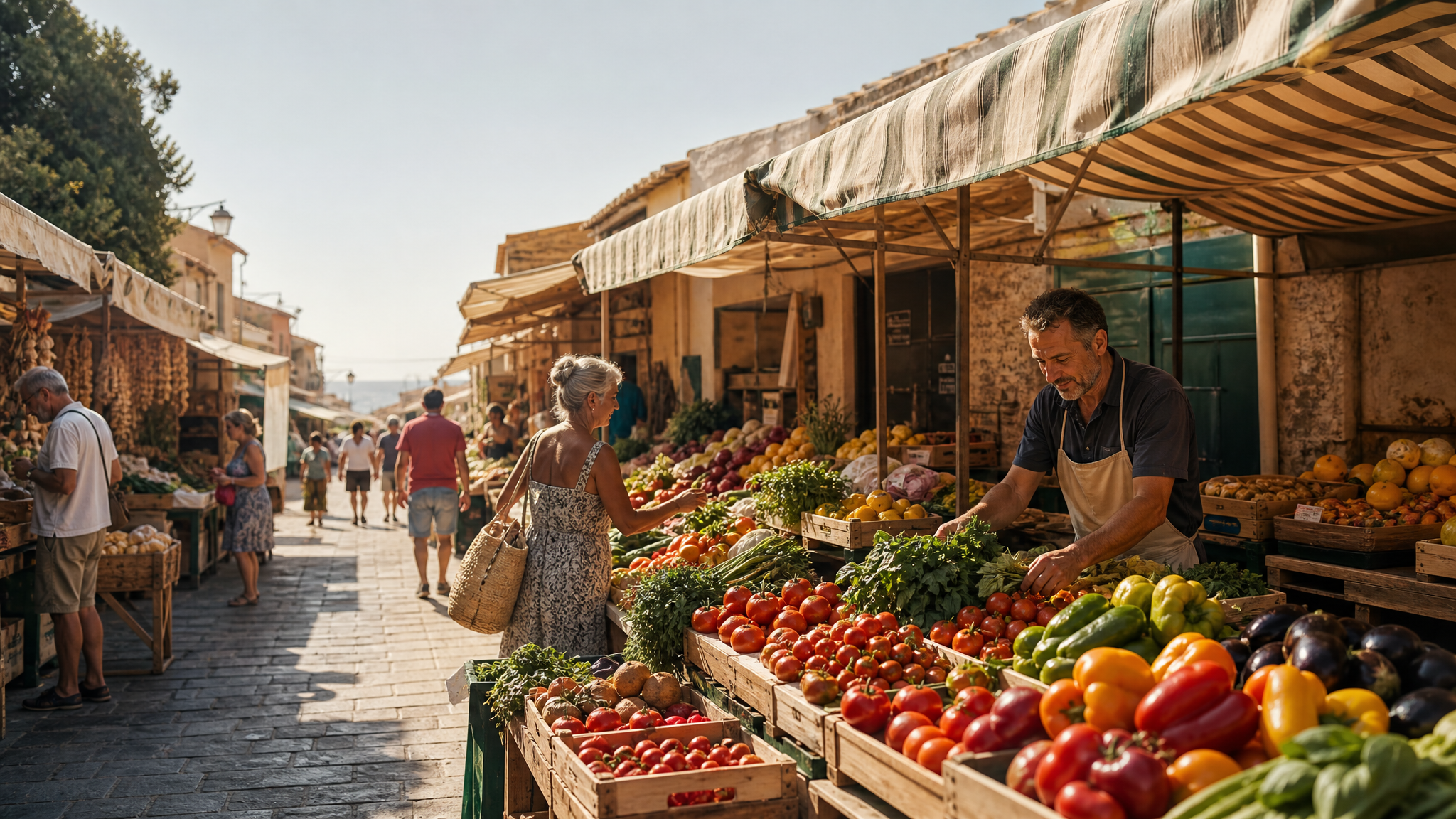
Last spring I went back for a month. I rented a one-bedroom apartment in Arroios, a residential neighbourhood where the nearest tourist attraction was a fifteen-minute walk away. I found a regular morning café (Fabrica Coffee Roasters on Rua das Portas de Santo Antão), a laundromat I went to on Wednesdays, a produce market I visited twice a week. By the third week, the woman at the fruit stand knew what I wanted before I asked.
That's the difference between visiting a place and living in it, even temporarily. It's also the core of slowmad travel: spending a month (or more) in a single city instead of hopping between destinations every few days.
This is your month long stay travel guide. How to find the right city, lock down affordable accommodation, budget realistically for 30 days, and skip the mistakes that turn a promising slow travel experience into an expensive lesson.
What slowmad travel actually looks like
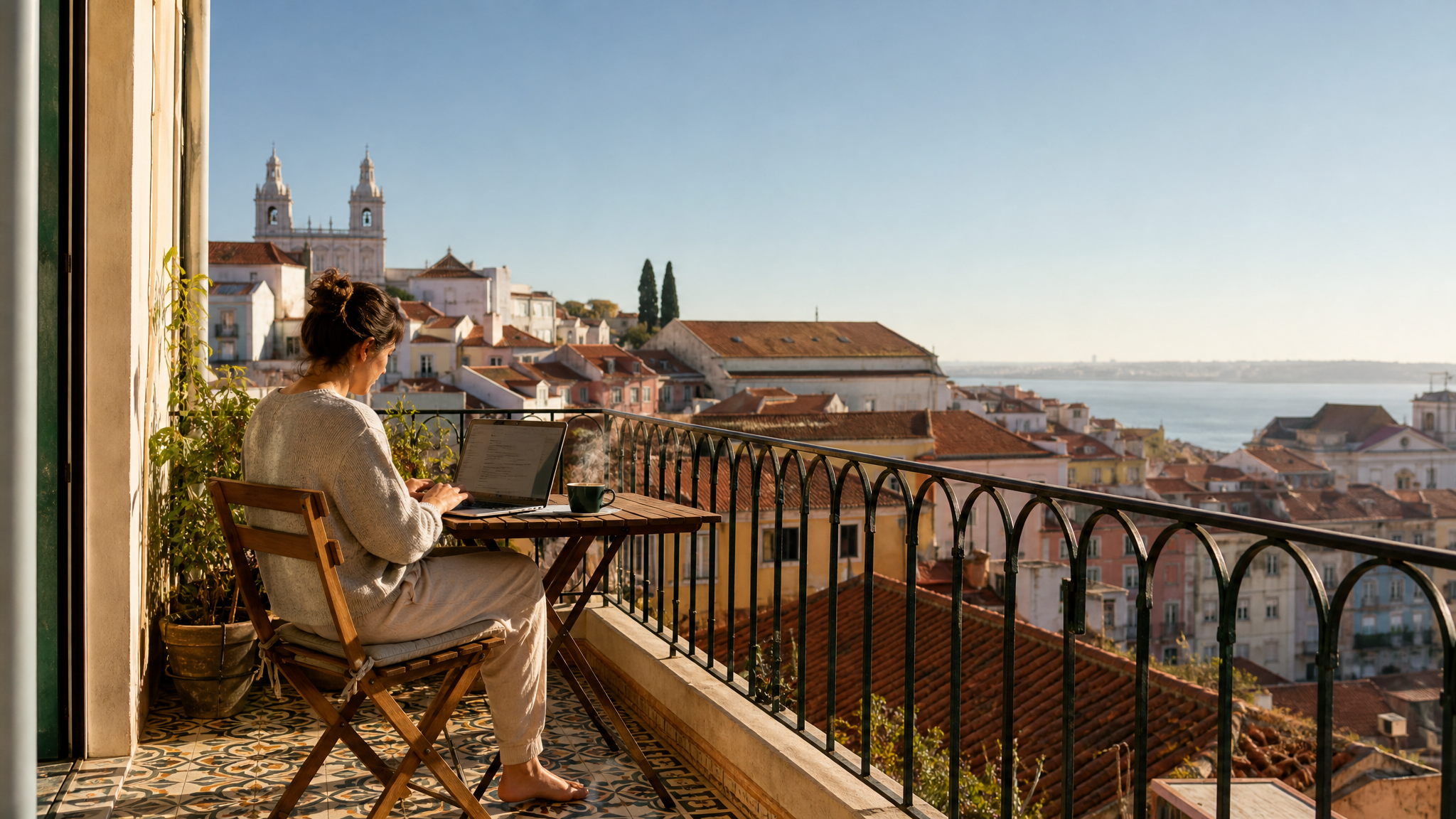
The term "slowmad" sits somewhere between digital nomad and traditional tourist. You're not backpacking through five countries in three weeks. You're not permanently relocated. You pick one city, stay for roughly a month, and live at something closer to a local pace. Cooking some meals at home. Working from cafés or coworking spaces. Building a routine that belongs to that specific place.
The economics are compelling. When you stay somewhere for 30 days, your per-night accommodation cost drops a lot. Flights become a smaller share of your total budget. You cook instead of eating every meal at restaurants. You learn which grocery store has the best prices, which café gives you the fastest Wi-Fi, which park is quiet enough for a phone call. The trip stops feeling like consumption and starts feeling like life, just in a different postcode.
Slowmad travel works for remote workers, freelancers, retirees, people on sabbatical, and anyone who has noticed that two-week vacations leave them more exhausted than rested. You need a month of flexibility and a willingness to trade breadth for depth.
How to find month-long rentals that actually work
Accommodation is the single most important decision for a month-long stay, and the platform you use matters more than you might expect.
Airbnb monthly stays
Airbnb's monthly stay discount is the most accessible starting point. When you search for stays of 28 nights or longer, many hosts offer discounts of 30-60% off the nightly rate. A place listed at $80/night might drop to $40-50/night for a monthly booking. Always message the host directly before booking. Many will negotiate a better monthly rate than what's listed, especially during shoulder season or if the calendar shows gaps around your dates.
What to look for: a full kitchen (not a kitchenette), a dedicated workspace or at least a table and chair that aren't the bed, reliable Wi-Fi with speeds posted in the listing, and a washing machine. These aren't luxuries for a month-long stay. They're infrastructure.
Furnished Finder
Originally built for travelling nurses in the US, Furnished Finder has expanded internationally and is excellent for month-long furnished rentals. Listings skew toward practical, fully equipped apartments rather than Instagram-worthy design properties. Prices are often 20-30% below equivalent Airbnb listings because the platform charges landlords a flat annual fee rather than taking a percentage of each booking. Coverage is strongest in the US, Canada, and parts of Western Europe.
Facebook groups and local platforms
For cities in Latin America, Southeast Asia, and Eastern Europe, local Facebook groups are often the best source of monthly rentals. Search for "[City Name] apartments for rent" or "[City Name] expats" and you'll find groups where landlords post directly. In Medellín, try "Apartments in Medellín for Foreigners." In Chiang Mai, "Chiang Mai Digital Nomads" regularly features monthly rental posts. You get less buyer protection than Airbnb, but significantly lower prices and more authentic properties in local neighbourhoods.
Other platforms worth checking: Spotahome (verified listings, strong in Europe), Flatio (designed for one-to-twelve-month stays, no deposit required), and Booking.com (filter for "Monthly stays", which has gotten increasingly competitive on longer bookings).
The best cities for month-long stays in 2026
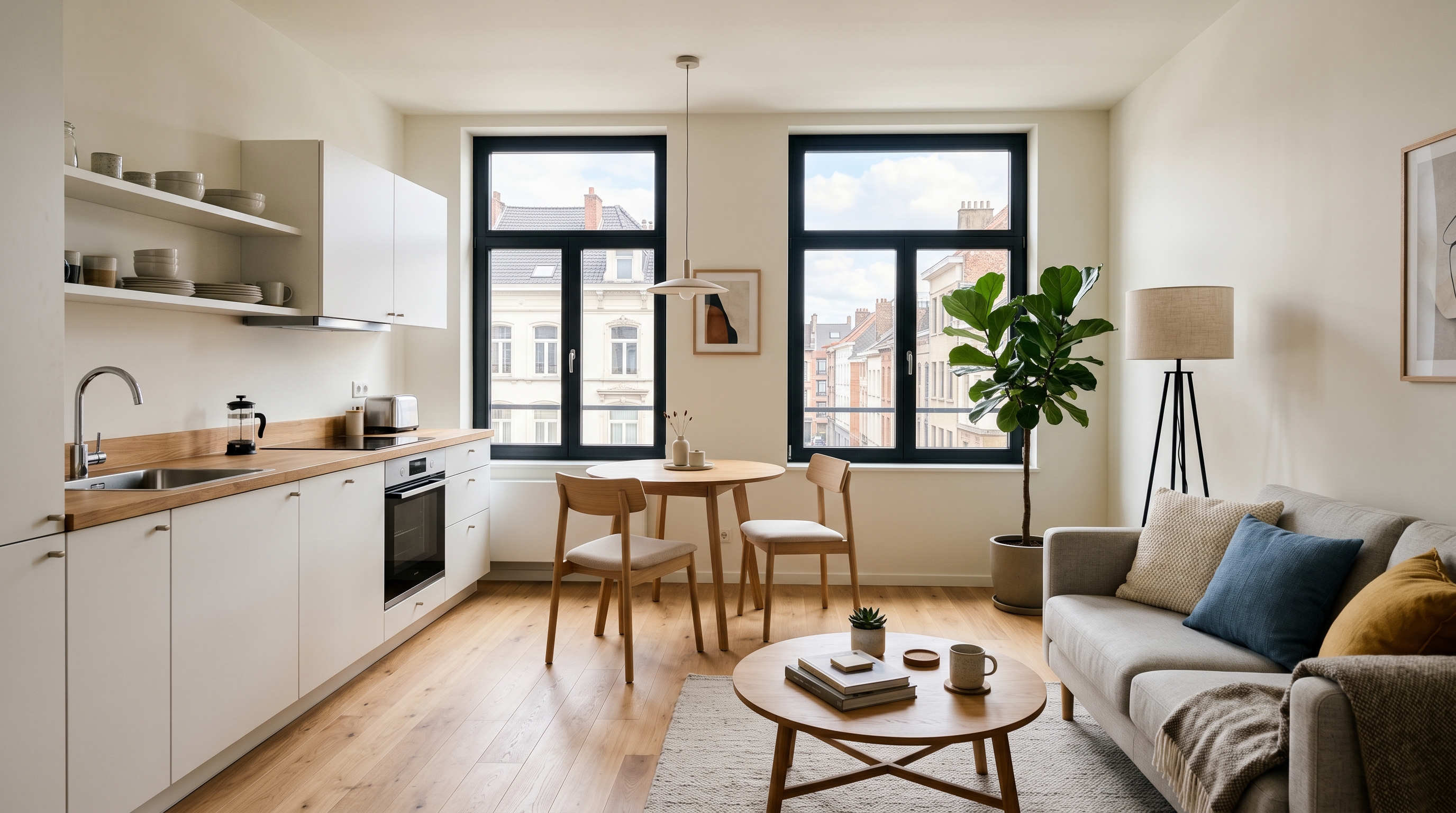
Not every city rewards slow travel equally. The cities I keep going back to share a few qualities: affordable cost of living, reliable internet, a walkable or transit-friendly layout, a café and coworking culture, and enough depth that a month doesn't exhaust what's there. These are the ones that consistently deliver.
Lisbon, Portugal — $1,800-2,500/month all-in
Lisbon is still one of the best month-long stay destinations in Europe despite rising prices. A furnished one-bedroom in Arroios, Penha de França, or Graça runs $900-1,400/month. Coffee culture is excellent. Copenhagen Coffee Lab in Santos and Dear Breakfast in Estrela are reliable workspaces. The food market at Mercado da Ribeira (Time Out Market) is overpriced and tourist-heavy, but the actual neighbourhood markets, Mercado de Arroios and Mercado de Campo de Ourique, sell fresh produce at local prices. Weather is mild year-round, and the Lisbon metro plus tram system gets you anywhere without a car.
Chiang Mai, Thailand — $800-1,200/month all-in
Still the gold standard for affordable slow travel. A modern studio in Nimman or the Old City runs $300-500/month. Coworking spaces like Punspace and CAMP at Maya Mall offer fast Wi-Fi and day passes under $5 USD. Street food meals cost $1.50-3 USD. The real advantage of a month in Chiang Mai is access to the slower rhythms. Weekend drives to Doi Suthep, cooking classes in local homes, the Saturday walking street market at Wualai Road where you stop hurrying through and start actually browsing. Thai massage every other day for the price of a single session in New York.
Medellín, Colombia — $1,200-1,800/month all-in
The Poblado neighbourhood gets most of the digital nomad attention, and for good reason. The infrastructure is excellent. But for a month-long stay, look at Laureles or Envigado instead. Both are more residential, more affordable, and more Colombian in character. A furnished apartment in Laureles runs $500-800/month. Pergamino Café is the standard coworking café, but Urbania in Laureles is better for extended work sessions. The metro is clean, safe, and connects the entire valley. Weather sits at a near-constant 22-27°C year-round. Medellín's nickname "City of Eternal Spring" is earned, not marketing.
Tbilisi, Georgia — $700-1,100/month all-in
Tbilisi is the under-the-radar slowmad pick that keeps climbing the rankings. Furnished apartments in Vera or Saburtalo run $350-550/month. Georgian cuisine is extraordinary and startlingly cheap. A full meal with wine at a local restaurant rarely exceeds $10 USD. Stamba Hotel's lobby café is a popular remote work spot, and Fabrika, a converted Soviet-era sewing factory, houses a hostel, coworking space, and courtyard full of cafés and bars. Georgia offers visa-free stays of up to one year for most passport holders, which removes the visa anxiety that complicates month-long stays in many countries.
Mexico City, Mexico — $1,000-1,800/month all-in
Roma Norte and Condesa are the established slowmad neighbourhoods, packed with cafés, parks, and some of the best food in the Western Hemisphere. A furnished one-bedroom in Roma runs $600-1,000/month. Café Avellaneda and Quentin Café are reliable work spots. For meals, skip the trendy brunch places and eat where the city eats. The taco stands on Calle Orizaba, Mercado Roma for a curated food hall experience, or Contramar for a proper sit-down seafood lunch that's worth every peso. Mexico offers 180-day visa-free entry for most nationalities, which makes month-long stays completely stress-free from an immigration standpoint.

Budgeting realistically for 30 days
The biggest budgeting mistake for month-long stays is applying hotel-trip logic to slow travel. You're not eating out three meals a day. You're not taking taxis everywhere. You're living, and living is cheaper than vacationing.
The key principle: accommodation should be 40-50% of your total budget. Lock it down first, negotiate before booking, and pay monthly rather than nightly. Flights come next. Use Google Flights' calendar view to find the cheapest departure day, and consider positioning flights through cheaper nearby airports. Travel insurance for a month runs $40-80 USD through providers like SafetyWing or World Nomads. Non-negotiable.
For daily costs, the biggest lever is cooking. Prepare 60-70% of your meals at home and budget $10-20/day for groceries. Eat out for the meals that matter. The one excellent dinner. The street food you can't replicate at home. Public transit and walking cover 90% of your movement in most slowmad cities ($30-60/month for a transit pass). If you need daily workspace, a monthly coworking membership ($50-150) pays for itself by the second week.
Realistic monthly totals (all-in): Southeast Asia $775-1,175 | Latin America $995-1,615 | Southern Europe $1,580-2,430 | Western Europe $2,030-3,270. These are comfortable budgets. You're eating well, working productively, and experiencing the city without counting every dollar.
If you want help planning the specific logistics of your month-long stay, where to base yourself, how to structure your time, what not to miss, Savvy Jetsetter's AI planner generates custom itineraries tailored to slow travel. Input your destination, dates, and interests, and it builds a framework you can adapt as you settle in.
Building a routine that belongs to the place
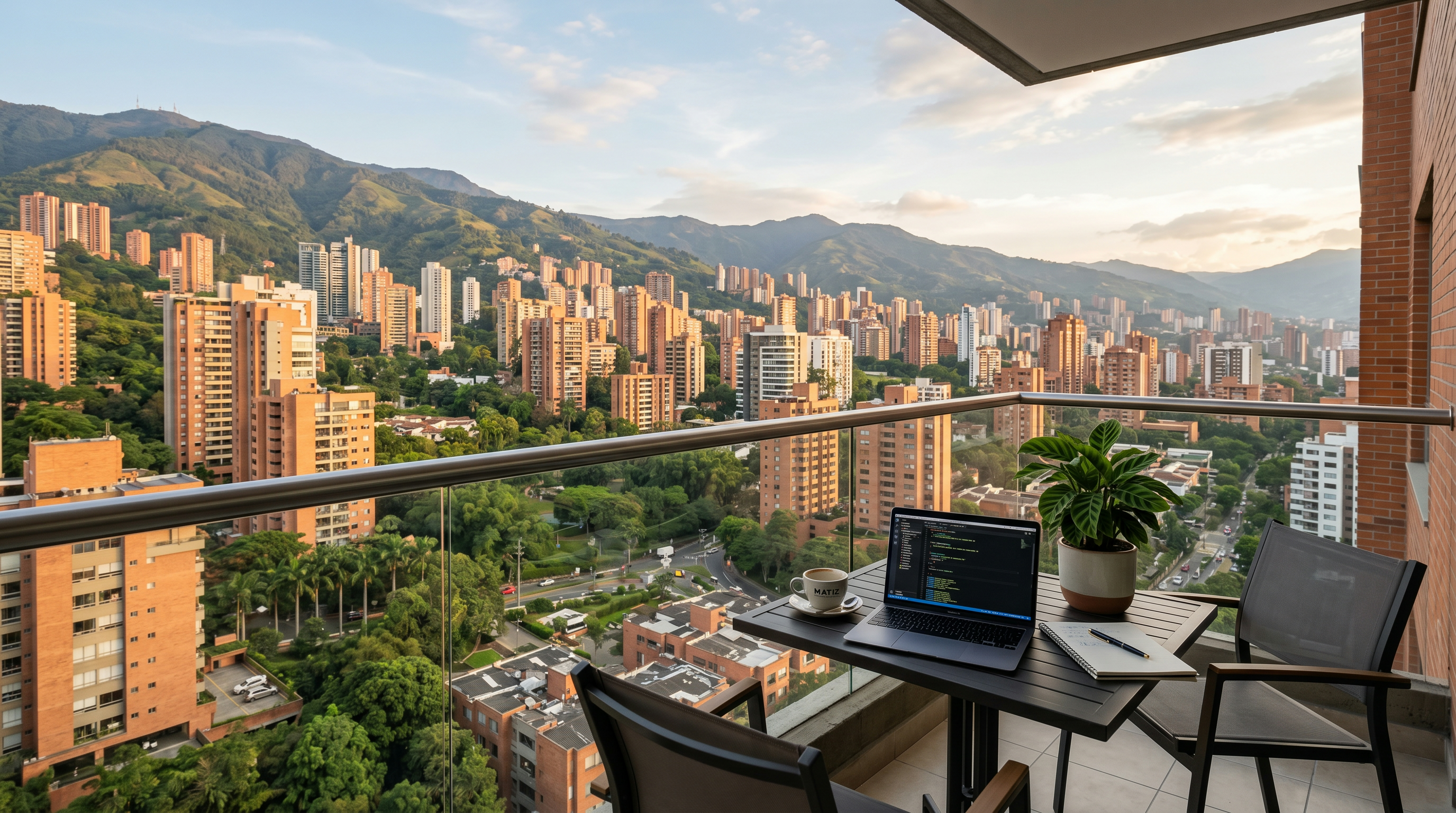
The thing that separates a great month-long stay from a mediocre one isn't the destination. It's whether you build a routine. Not the routine you're escaping at home, but a different one shaped by a new city and new rhythms.
Find your morning café in the first three days. Go to the same place at the same time. By day five, the barista knows your order. By day ten, you're having actual conversations. Identify your grocery store and market. Learn what's in season and cook with local ingredients. Pick a walking route you repeat: to the market, through a park, past that bakery you noticed on day two. Repetition reveals the details that make a place feel like yours.
Most importantly, say yes to invitations. When you stay long enough, they happen. A coworking neighbour invites you to dinner. A language exchange meetup leads to a weekend hike. These moments don't happen in week one of a typical vacation. They happen in week three of a slow stay.
Common mistakes that derail month-long stays
Not checking visa duration limits
This is the most consequential mistake, and it's entirely avoidable. Many countries offer 30, 60, or 90-day visa-free entry for tourism, but "visa-free" doesn't mean unlimited. If you're planning a month in Thailand, you get 30 days on a visa exemption for most passports (extendable to 60 at an immigration office for 1,900 THB). In the Schengen Area, you get 90 days in any 180-day period across all 27 member countries combined, so a month in Lisbon followed by a month in Barcelona eats into the same 90-day allotment.
Research your specific passport and destination. Don't rely on what a travel blogger said in 2023. Immigration rules change. Check the official government source for your destination, and build a buffer. Plan to leave a few days before your visa expires, not the day of.
Choosing a tourist neighbourhood over a local one
This is the most common quality-of-life mistake. The neighbourhood that's perfect for a four-day visit is rarely the best neighbourhood for a month-long stay. Tourist areas are louder, pricier, and designed for throughput, not residency.
In every city, there are neighbourhoods one or two metro stops from the centre that offer dramatically better value and a more authentic experience. In Lisbon, that's Arroios or Penha de França instead of Alfama. In Mexico City, it's Coyoacán or Narvarte instead of the most trafficked blocks of Roma Norte. In Bangkok, it's Ari or Ekkamai instead of Khao San Road. Ask in local Facebook groups or subreddits: "Where would you actually live for a month?" The answers are always different from "Where should I stay for a weekend?"
Not negotiating monthly rental rates
Listed prices are starting points. A simple message ("I'm interested in booking for the full month. Is there flexibility on the rate?") works more often than you'd expect. During shoulder season or when a property has vacancy gaps, landlords would rather take a lower rate than leave the unit empty. In Latin America and Southeast Asia, negotiating in person is standard. Online quotes are often 20-30% higher than what you'll pay if you discuss directly.
Under-budgeting for the first week
Your first week is always the most expensive. You're eating out more (no grocery store yet), taking taxis (unfamiliar transit), and buying household items like a power adapter, SIM card, kitchen basics. Budget your first week at 1.5x your normal daily rate, then expect costs to drop as you settle in.
Trying to see everything
A month feels long, and the temptation is to cram in every major sight and day trip. Resist this. The whole point of slow travel is selectivity. If you leave without visiting a famous museum but with a favourite neighbourhood bar and a friend who lives there, you've had a better trip.
Planning your first month-long stay
If you've never done a month-long stay before, start with a city that's forgiving of first-timers. Lisbon, Chiang Mai, and Mexico City are all good debut cities. Affordable, well-documented by the slow travel community, English-friendly enough that the language barrier doesn't create daily friction, and interesting enough that a month doesn't feel repetitive.
For destination research and day-by-day planning frameworks, Savvy Jetsetter's destination guides cover many of the cities mentioned in this guide with specific neighbourhood recommendations, restaurant picks, and practical logistics. And if you want a personalised itinerary for your first few days, something to anchor your arrival before you've built your own routine, the AI planner generates one in about five minutes based on your dates, interests, and budget.
The real point of slow travel
A month somewhere changes how you relate to travel itself. You stop optimising for novelty and start optimising for understanding. The best meal in Medellín isn't at the restaurant with the most Google reviews. It's at the bandeja paisa place on the corner that your neighbour told you about in week two. A city reveals itself on the walk you take for the fourth time, not the first.
Once you've had a "regular" café in a city that isn't yours, once you've left somewhere knowing you could go back and pick up exactly where you left off, two-week vacations start to feel like they're missing the point.
Your first month-long stay is waiting. Pick the city. Book the apartment. Go.