Last September, a friend of mine flew to London for a three-day fintech conference. She sat through panels, networked at two evening receptions, and caught a 9 p.m. flight home on the last day. Total time spent outside the conference venue and hotel: roughly forty-five minutes, most of it in a taxi.
Three weeks later, a colleague attended the exact same conference. He pushed his return flight to the following Wednesday, moved from the corporate hotel near Canary Wharf to a boutique spot in Fitzrovia, and spent four days walking through Borough Market, catching a show at the National Theatre, and taking the train to Bath for an afternoon. Same flights, same conference, same employer-covered airfare. Completely different trip.
The difference wasn't budget. It wasn't vacation time. It was a plan — one he made before he ever left home. And that single decision to turn a work trip into a vacation saved him roughly $900 in airfare he would have spent on a separate holiday later that year.
This is the bleisure playbook. Here's how to do it right.
Why 2026 Is the Year to Turn a Work Trip Into a Vacation
Bleisure travel — the practice of extending business trips for personal leisure — has been growing steadily since the post-pandemic travel rebound. But 2026 has pushed it into a new gear.
Corporate travel spending is projected to exceed $1.5 trillion globally this year, according to the Global Business Travel Association. At the same time, remote and hybrid work policies have loosened the grip of rigid travel schedules. More employers are open to flexible return dates than at any point in the past decade, and many actively encourage it as a retention perk.
The economics make this an obvious move. Your employer covers the flight. Often, they cover the hotel through the end of the conference or meeting. Every leisure day you add only costs you the incremental hotel nights and meals — expenses that are a fraction of what a standalone vacation to the same city would run. A round-trip flight to Tokyo from most North American cities costs $900 to $1,400. Adding three leisure days after a work event there might cost you $400 to $600 in hotel and food. That is an extraordinary ratio.
And there's a mental health angle that business travelers tend to underestimate. Returning home the same day your work event ends means you arrive depleted, jet-lagged, and still mentally processing the conference. A two- or three-day buffer lets you decompress in a place that isn't your living room, and you come home genuinely rested instead of needing a vacation from your work trip.
The bottom line: if your company is paying for the flight, you're leaving real value on the table every time you fly straight home.
How to Extend Your Business Trip: The Practical Steps
Deciding you want to add vacation days to a work trip is the easy part. Actually making it happen requires some upfront coordination — but less than most people assume.
Talk to Your Employer Before You Book
Most corporate travel policies don't explicitly prohibit leisure extensions. They just don't mention them. That ambiguity works in your favor, but only if you address it early.
The conversation is simpler than you think. Frame it around the return flight: "I'd like to push my return date by three days at no additional cost to the company. I'll cover my own hotel and expenses for the personal days." Most managers will say yes without hesitation because it costs them nothing. Some companies even have formal bleisure policies now — check with HR or your travel coordinator before assuming you need to ask permission.
The key detail: make sure the leisure portion is clearly separated in the booking. Your employer's travel insurance and duty-of-care obligations typically end when the work event ends. You want your own travel insurance covering the personal days. A good travel credit card often handles this automatically, but verify before you go.
Book Your Return Flight Flexible From the Start
This is where most people lose money. Corporate booking tools default to a return flight on the last day of the event. If you accept that default and try to change it later, you'll often pay a change fee of $75 to $200 or more, depending on the airline and fare class.
Instead, when the trip is first being booked, request a return date that includes your leisure days. The flight cost is usually identical or negligibly different — you're just choosing a later date on the same route. Do this at the initial booking stage, not as an afterthought.
Switch Hotels at the Transition Point
Conference hotels are priced for corporate travelers and typically sit in business districts that are functional but not particularly interesting for leisure. When your work days end, consider moving.
In London, that might mean leaving a Canary Wharf business hotel for a spot in Marylebone or Southwark. In New York, it could mean swapping a Midtown conference hotel for something in the West Village or Williamsburg. In Singapore, moving from the Marina Bay Sands convention area to Tiong Bahru or Kampong Glam puts you in a neighborhood with actual character — and often at a lower nightly rate.
The move takes an hour. The difference in your experience is enormous. You stop feeling like you're on a work trip and start feeling like you're on vacation — which is the entire point.
If you want help mapping out the leisure portion of a trip like this, you can generate a free itinerary at savvyjetsetter.ca/plan. It's built for exactly this kind of situation: you know the city and the dates, you just need a structured plan that makes the most of limited time.
Best Cities to Turn a Work Trip Into a Vacation
Not every conference city is worth extending. Some are genuinely better suited for bleisure than others, based on the quality of what's available, the ease of transitioning from work mode, and the cost of adding leisure days.
New York City
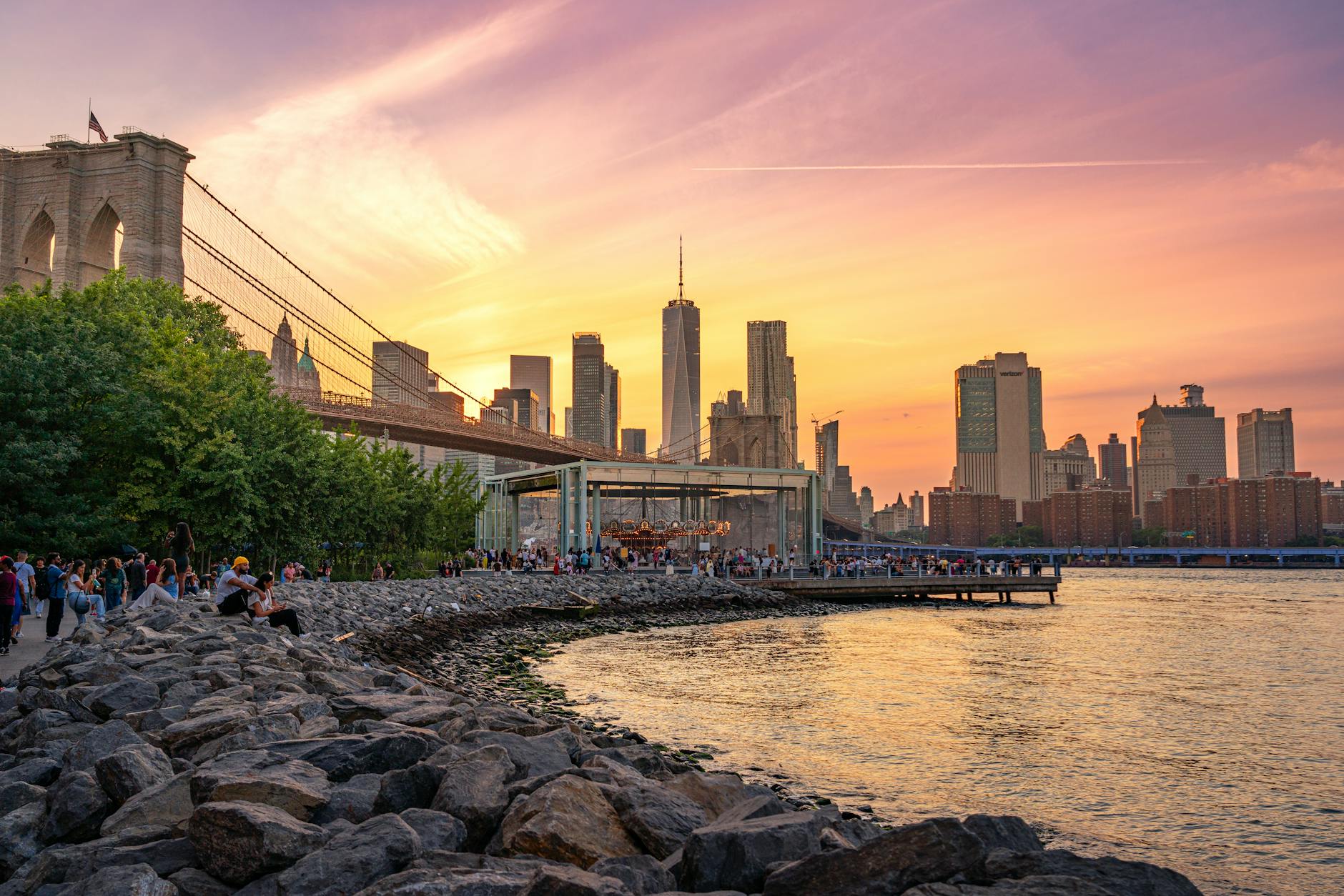
New York is the most common business travel destination in North America, and it's one of the easiest places to extend a work trip. The infrastructure for both business and leisure is world-class, and the transition between the two is seamless — you just stop going to the convention center.
The play: If your conference is in Midtown, move downtown for the leisure days. The Lower East Side, West Village, and Dumbo in Brooklyn all offer a completely different energy. Budget roughly $180 to $300 per night for a solid hotel outside the Midtown premium zone.
Don't miss: Walk the High Line in the morning before the crowds, eat at Los Tacos No.1 in Chelsea Market (the best quick-service tacos in Manhattan for under $15), and take the free Staten Island Ferry for the Statue of Liberty view without the ticket price. If you have a full day, the Cloisters in upper Manhattan is one of the most undervisited world-class museums in the city.
Estimated leisure extension cost (3 days): $700 to $1,200 including hotel, food, and activities.
London
London's conference calendar is packed year-round — ExCeL London, Olympia, and dozens of venue spaces across the city mean there's always a reason to be there for work. And London rewards extra time more than almost any other city.
The play: Move from wherever your conference was to a neighborhood you actually want to explore. Fitzrovia, Bermondsey, and Clerkenwell are all excellent bases that aren't Zones 1 tourist traps. Budget £150 to £250 per night.
Don't miss: Borough Market on a weekday morning (skip weekends — it's a madhouse), a matinee at the National Theatre (often under £20 for day seats), and the walk along the South Bank from Tower Bridge to Westminster. For a day trip, take the train to Bath (90 minutes from Paddington) — the Roman Baths and Royal Crescent are worth the journey.
Estimated leisure extension cost (3 days): $800 to $1,400.
Tokyo
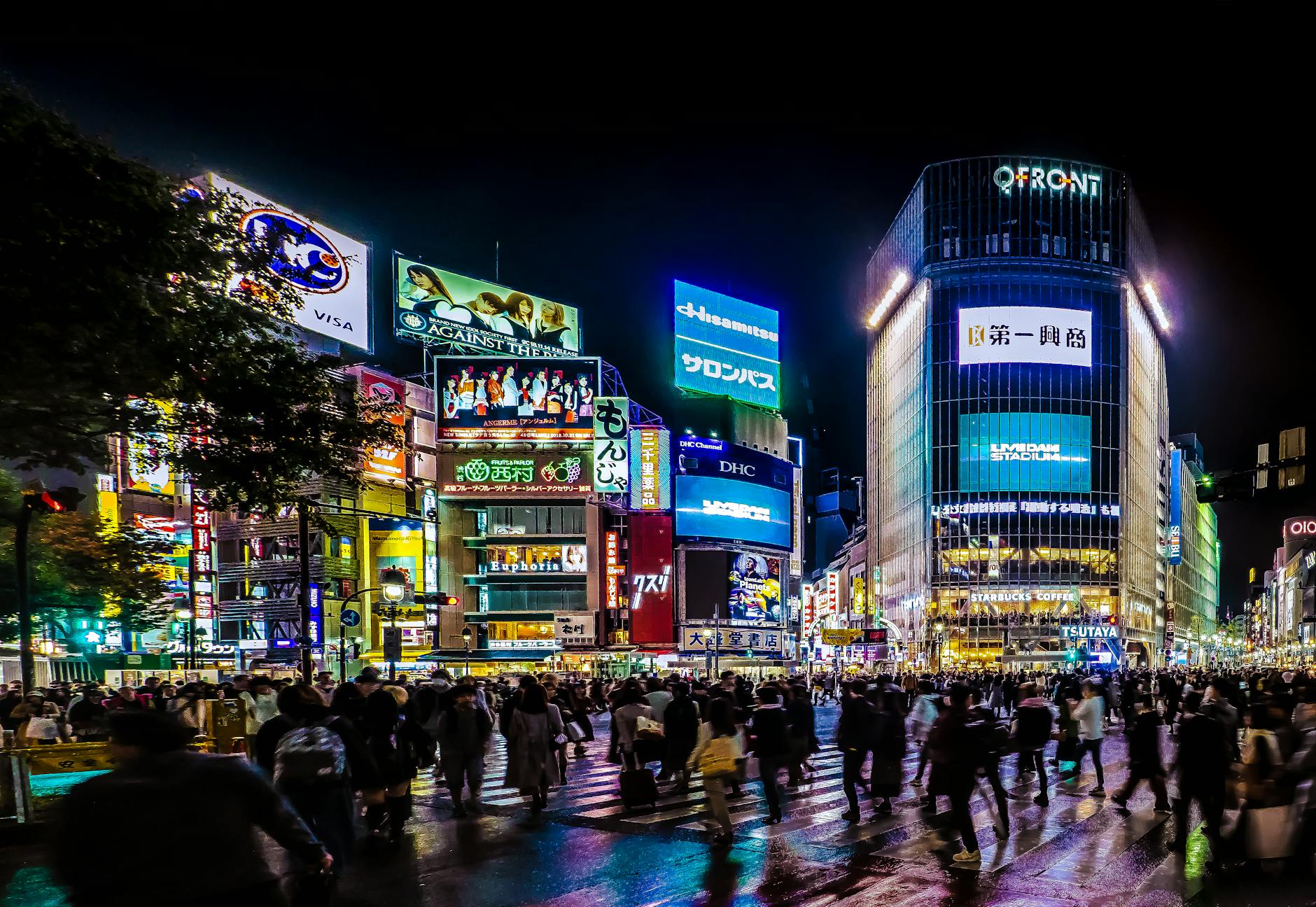
Tokyo is arguably the single best city in the world for bleisure travel. The gap between "business trip Tokyo" and "vacation Tokyo" is vast, and most conference attendees never cross it. They stay in Shinjuku or Marunouchi, eat at the hotel, and leave without experiencing any of what makes the city extraordinary.
The play: After your work event, base yourself in Shimokitazawa, Nakameguro, or Yanaka — residential neighborhoods with incredible food, small shops, and almost no tourist infrastructure. Budget ¥15,000 to ¥25,000 per night ($100 to $170 USD) for a clean, well-located hotel.
Don't miss: Tsukiji Outer Market for a breakfast of tamagoyaki and fresh sushi (the inner market moved to Toyosu, but Tsukiji's outer stalls are still the move). Spend an afternoon in Yanaka, Tokyo's old temple district, where the pace drops to something almost rural. Take the Romancecar express from Shinjuku to Hakone (85 minutes) for a one-day hot spring and mountain lake trip that feels like a different country.
Estimated leisure extension cost (3 days): $500 to $900. Tokyo is significantly more affordable than most people expect, especially for food.
Dubai
Dubai's position as a global conference hub has exploded in the past five years, and the city's leisure infrastructure is built for exactly this kind of extension. The weather is ideal from October through April (avoid June through September unless you enjoy 45-degree heat).
The play: If your conference is at the Dubai World Trade Centre or DIFC, stay in the area for work, then move to Al Seef or Jumeirah Beach for the leisure days. Budget $120 to $250 per night — Dubai hotel pricing is surprisingly competitive outside peak season.
Don't miss: The Al Fahidi Historical Neighbourhood and its galleries and cafes (a 10-minute walk from Dubai Creek), a sunset abra ride across the Creek for 1 AED ($0.27), and dinner at 3Fils in Jumeirah Fishing Harbour — a tiny open-air spot that does some of the best Japanese-Peruvian food in the Gulf, with mains around $15 to $25.
Estimated leisure extension cost (3 days): $600 to $1,100.
Barcelona
Barcelona hosts Mobile World Congress, Smart City Expo, and a packed calendar of European conferences. It is also one of the most rewarding cities in Europe to spend a long weekend.
The play: Forget the Ramblas. Base yourself in the Gracia or El Born neighborhood for the leisure extension, and you'll eat better, spend less, and feel more like a local than a tourist. Budget €100 to €180 per night.
Don't miss: Park Guell at opening time (book the timed ticket in advance, €10), the Boqueria market for a standing lunch of jamón and manchego, and an evening walk through the Gothic Quarter when the day-trippers have cleared out. Take the train to Sitges (35 minutes from Passeig de Gracia) for a beach day that doesn't involve fighting for sand space on Barceloneta.
Estimated leisure extension cost (3 days): $500 to $900.
For detailed day-by-day planning in any of these cities, our destination guides at savvyjetsetter.ca/guides cover the neighborhoods, restaurants, and logistics in depth — including a free Dublin guide if you want to see the format before buying.
Packing for Both Work and Play
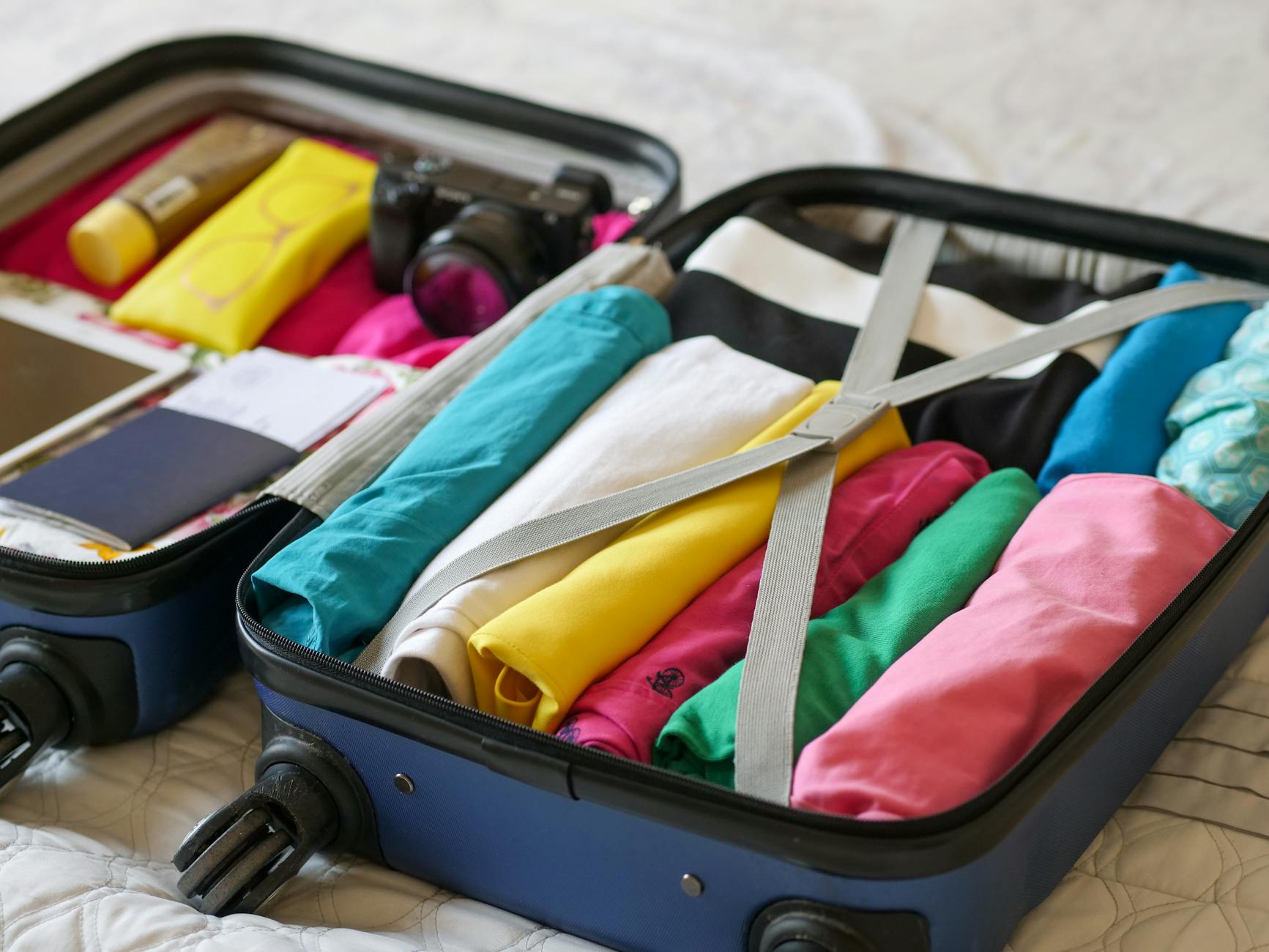
The biggest logistical friction in bleisure travel is the suitcase. You need to look professional for three days of meetings, then pivot to comfortable leisure mode — ideally without checking a second bag.
The Core Strategy: Neutral Layers
Pack around a neutral color palette — navy, black, grey, white — that works in both contexts. A navy blazer goes from a conference panel to dinner at a nice restaurant. Dark jeans (if your work dress code allows them) cross both lines. A white button-down with the sleeves rolled becomes a weekend shirt. The goal is pieces that serve double duty, not a separate work wardrobe and vacation wardrobe crammed into the same bag.
Footwear Is the Hardest Part
You need one pair of professional shoes and one pair of walking shoes. That's two pairs, and they take up space. The workaround: wear the bulkier pair on the plane (usually the walking shoes) and pack the dress shoes. If your work context allows it, dark leather sneakers like Common Projects or their more affordable alternatives can cover both situations.
The Leisure Add-Ons
These are the items you'd pack for vacation but not for a pure work trip. Keep the list short:
- Swimsuit (if the city warrants it) — packs flat, weighs nothing
- Sunglasses — you probably already have them
- A packable daypack — for sightseeing days when you don't want to carry your work bag
- One casual outfit you genuinely like — not the gym clothes you were going to "make work"
- A small Dopp kit with sunscreen and any personal items you won't find at the hotel
That's it. You're adding maybe two pounds and a few inches of suitcase space. The key discipline is resisting the urge to pack "options." You're extending a trip by a few days, not preparing for a different trip entirely.
Common Mistakes
Bleisure travel is straightforward in theory, but these are the errors that trip people up consistently.
Mistake 1: Not separating the hotel bookings. Your corporate rate ends when the conference ends. If you just keep the same room, you might roll over to the hotel's rack rate — which can be 40% to 60% higher than what you'd pay booking the leisure nights separately on a site like Booking.com or directly with the hotel. Always rebook the leisure portion as a separate reservation at the best available rate. Better yet, switch hotels entirely (see above).
Mistake 2: Leaving the return flight change to the last minute. Changing a flight after it's booked almost always costs more than booking the right date from the start. If there's even a chance you'll want to extend, push the return flight out during the initial booking. You can always change it back if plans fall through — usually at a lower cost than changing it forward.
Mistake 3: Not having separate travel insurance. Your employer's corporate travel insurance covers you during the work portion of the trip. The moment the conference ends, you may not be covered. Check your credit card's travel insurance terms (many premium cards offer automatic coverage for trips paid partially with the card), or purchase a short-term policy. For a three-day extension, standalone travel insurance runs $15 to $40 depending on the destination.
Mistake 4: Trying to do too much. You just worked for three days. You're in a different time zone. You're slightly socially depleted from the conference. The worst thing you can do is create a leisure itinerary that's as packed as your work schedule was. Plan one major thing per day and leave room for wandering. The best bleisure days are the ones with the least structure.
Mistake 5: Ignoring the weekend buffer. If your work event ends on a Thursday or Friday, the weekend is free real estate. You can get two or three leisure days without using any PTO by simply not flying home until Sunday or Monday. This is the single most underused bleisure strategy, and it costs you nothing but the hotel nights.
Mistake 6: Forgetting about loyalty points. If your company's travel is booked through your personal loyalty accounts (airline miles, hotel points), the work trip is already earning you status and points. The leisure extension keeps that going. Book the leisure hotel through the same loyalty program when possible, and make sure your frequent flyer number is on every flight — even the repositioned return.
Make the Most of Every Work Trip
The gap between a forgettable business trip and a memorable bleisure experience is usually about 48 hours and a bit of planning. You don't need a big budget. You don't need weeks of vacation time. You just need to stop defaulting to the earliest flight home.
Next time a work trip lands on your calendar, take fifteen minutes to ask yourself: what would I do with three extra days in that city? Then build the trip around the answer. Push the flight, book a leisure hotel in a neighborhood you actually want to explore, and give yourself permission to turn a work obligation into something you'll actually remember.
If you want a head start, generate a free itinerary at savvyjetsetter.ca/plan — you'll get a structured day-by-day plan for the leisure portion of your trip in about 60 seconds. For complex multi-city bleisure trips or if you want VIP hotel perks and a fully planned experience, our advisory team at savvyjetsetter.ca/inquiry can handle the whole thing.
The flight is already booked. The only question is what you do with the days after the last session ends.